
Last updated October 31, 2026
 Smart locks
 House lockouts
 Re-keying
 Deadbolt upgrades
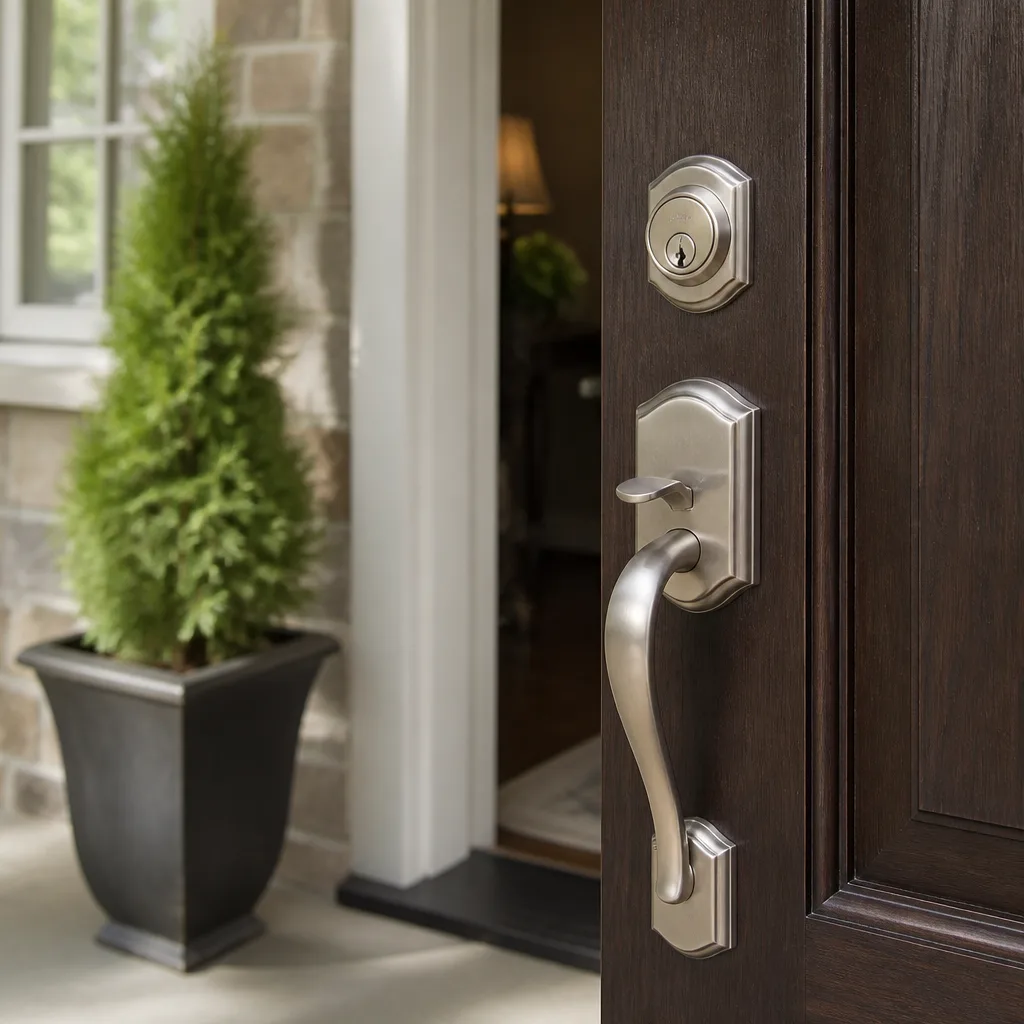 Schlage
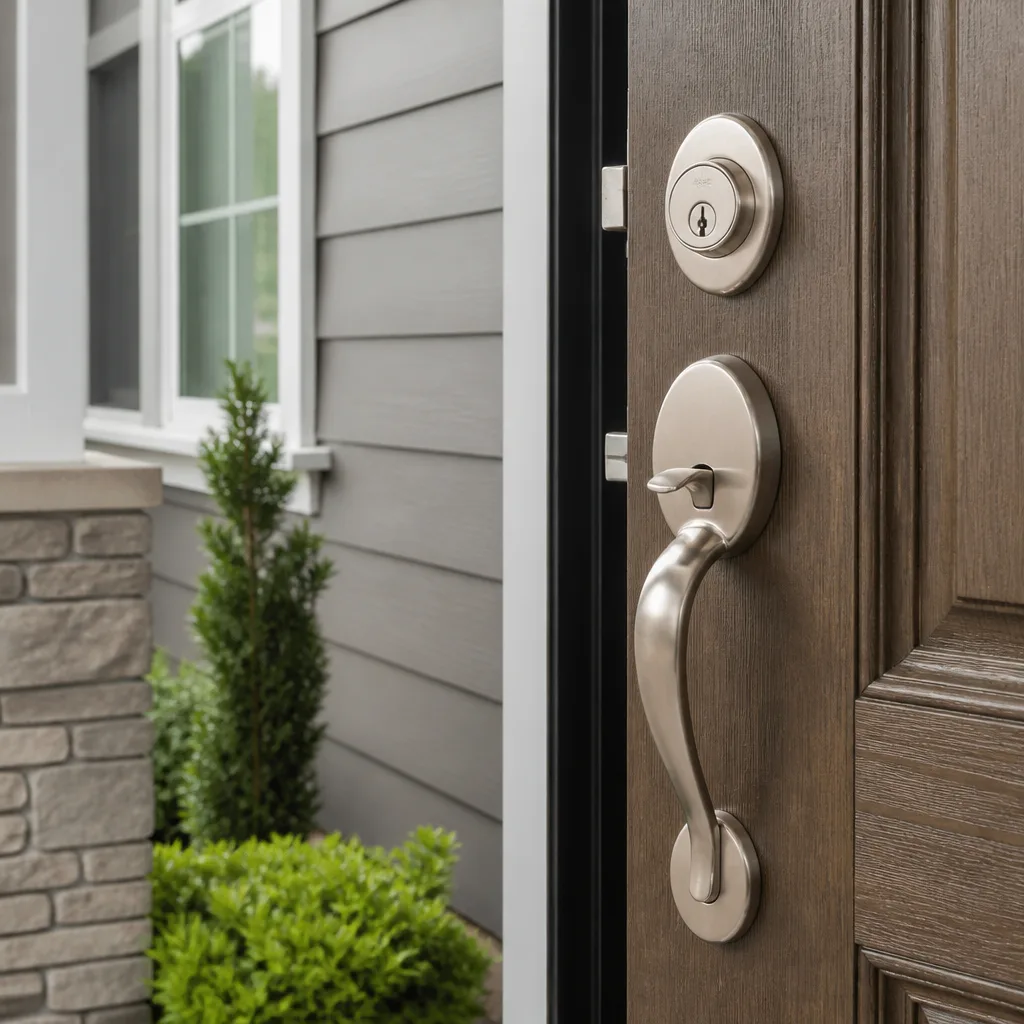 Kwikset
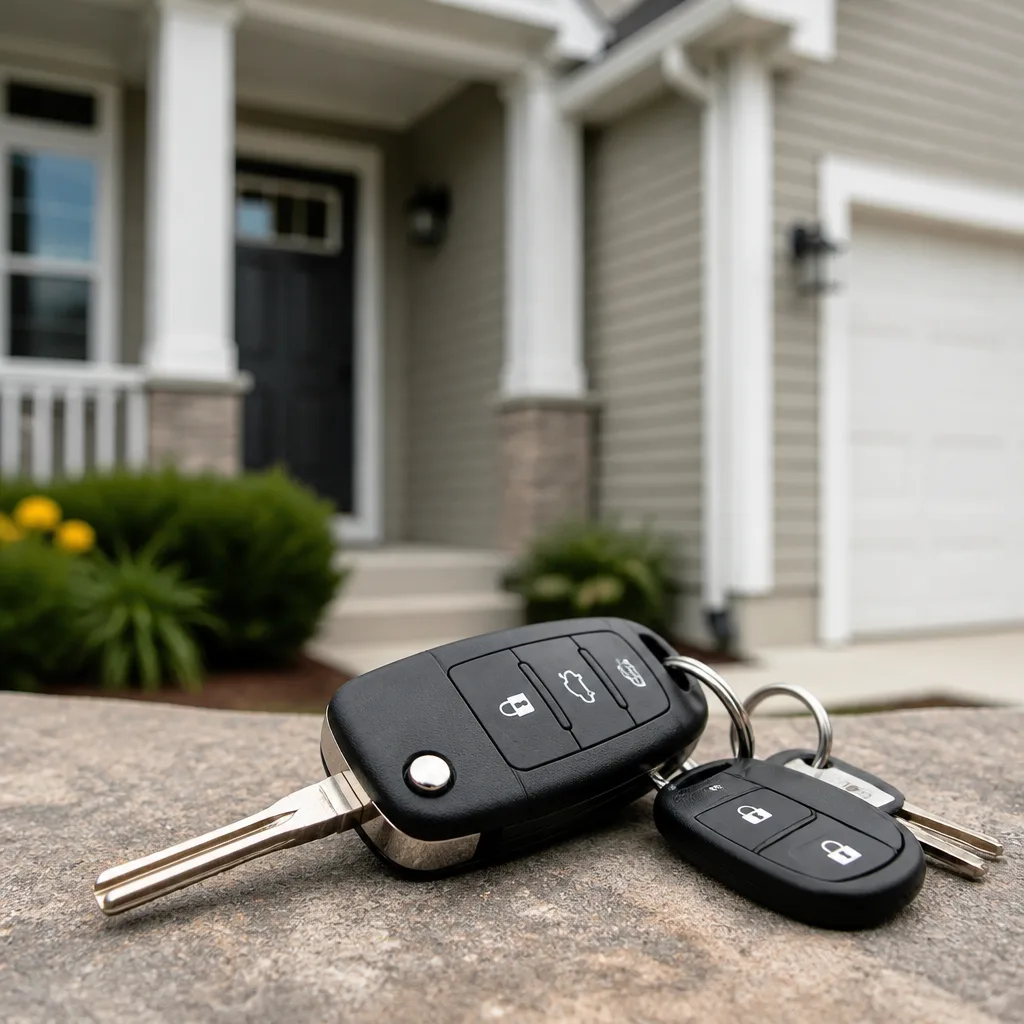 Car keys & fobs
Non-destructive entry first, always - and we re-key Schlage, Kwikset, and Baldwin locks on the spot while you watch
You get a price before we start. It does not change when we arrive. No surprises.
Get your free estimateSeasonal Locksmith Care for Lansing: Year-Round Homeowner’s Guide
The most common cause of a frozen lock in a Lansing January isn’t low temperature. It’s moisture that entered the cylinder in November and sat there through the first hard freeze. By the time the key won’t turn, the preventable window has already closed. This guide walks you through a four-season maintenance calendar built for mid-Michigan’s specific climate: freeze-thaw cycles that slam between 40°F and -10°F within the same week, summer humidity that swells door frames, and road salt that migrates onto everything your boots touch, including your car key and the ignition cylinder it goes into. If you own a home or a car in Lansing, this is the lock care schedule that keeps a $200 repair from becoming a $600 emergency call.
Styles & brands we work with
Quick Answer
Seasonal lock care in Lansing comes down to four tasks: lubricate deadbolt cylinders with graphite each fall before freeze season, check door frame alignment every spring as humidity swells the wood, keep electronic lock gaskets clean and batteries fresh through the summer heat, and treat your car locks with a moisture-displacing lubricant before road salt season starts. You’ll spend maybe two hours per year and avoid the vast majority of lockouts, latch failures, and cylinder jams we see in the field.
Table of Contents
- Fall: The Season That Prevents Frozen Locks
- Winter: Frozen Locks, Deadbolts, and Car Doors
- Spring: Humidity, Frame Swelling, and Latch Failures
- Summer: Smart Locks, UV Exposure, and Battery Life
- Schlage vs. Kwikset: Lubrication Differences That Matter
- Car Lock Maintenance: Road Salt and What It Does
- Common Mistakes to Avoid
- When to Call a Professional
- Frequently Asked Questions
- The Bottom Line
Fall: The Season That Prevents Frozen Locks
In Lansing, October and November are the months when everything gets decided. The groundwork you lay now determines whether your deadbolt turns on the first -5°F morning or seizes like it’s been welded shut. Most homeowners skip fall lock maintenance because nothing is visibly wrong. That’s the trap. Lock failures in winter almost always trace back to what happened, or didn’t happen, between Halloween and Thanksgiving.
The Three Tasks That Actually Matter in Fall
- Graphite lubricate every deadbolt cylinder. Pull the key in and out a few times after applying powdered graphite to the keyway. This displaces moisture from fall rain and dew. Do this before the first hard freeze. We’ve pulled apart deadbolts across Lansing neighborhoods like Groesbeck and Colonial Village where the internal pins were crusted with rust that started as one damp October night.
- Check door frame alignment while the weather is still mild. Walk up to each exterior door and look at the gap between the deadbolt throw and the strike plate. If the bolt doesn’t slide in dead center, the frame has shifted. Fixing a strike plate in 55-degree weather takes ten minutes. Fixing a misaligned door in February, when thermal contraction has pulled the frame even further out of true, is a different job entirely.
- Inspect weatherstripping with the door closed. Run your hand around the top and latch side of the door. If you feel a draft, the seal has failed. This matters for locks because a sagging seal lets moisture ride the air current straight into the strike area. That moisture condenses on the metal hardware, and when the mercury drops below 25°F, the condensation freezes inside the strike pocket and around the latch bolt.
One thing we tell every Squire Locksmith home customer in the fall: if you do nothing else, lubricate the cylinders. It’s the highest-leverage ten minutes in the entire year of home maintenance, and almost nobody does it until the key stops turning.
Winter: Frozen Locks, Deadbolts, and Car Doors
Here’s what a Lansing winter actually does to your locks, in order. First, the metal cylinder contracts faster than the brass pins inside it, tightening the tolerances until the key barely fits. Second, any moisture trapped in the keyway freezes into a film of ice that acts as glue. Third, the door frame itself contracts, pulling the strike plate a millimeter or two out of alignment, which makes the deadbolt throw bind against the edge of the plate even if the cylinder is perfectly fine. All three of these happen at once, which is why frozen locks feel like the whole mechanism suddenly turned to stone.
What to Do When a Residential Deadbolt Freezes
First, don’t force the key. A snapped key blade inside a frozen cylinder turns a $15 problem into a $150 extraction. Instead, warm the key with a lighter or your palm for thirty seconds, insert it slowly, and work it gently. If that doesn’t open it, the freeze is deeper in the cylinder and heat application to the key alone won’t reach it. This is the point where most people reach for WD-40, which brings us to the most persistent myth in lock care.
Why WD-40 Is the Wrong Tool for a Frozen Lock
WD-40 displaces moisture on contact, which sounds like exactly what you want until you understand what happens next. The propellant and solvent in WD-40 flash off quickly, leaving behind a light oil film. Within days, that film has collected dust, road grime, and new moisture. By February, the cylinder is more gunked up than it was in November. Even worse, WD-40 strips away any graphite or dry lubricant that was already in the keyway, so you’ve actively removed the protection that was there. For a frozen car lock, a dedicated lock de-icer with a moisture-displacing formulation works. For a residential deadbolt, a hair dryer on low heat aimed at the cylinder body from the inside is the fastest safe thaw. If neither works, the freeze isn’t the only problem, and you need the cylinder opened up and inspected.
For automotive lockouts and frozen car cylinders in Lansing, our Emergency Locksmith in Okemos response covers the whole metro, including Lansing. A frozen car door that won’t unlock at 6:15 a.m. on a workday isn’t something you wait out.
We’ve seen winter lock failures cluster in older Lansing houses near the river, where ambient humidity from the water combines with already-loose door frames. The locks weren’t bad. The maintenance window got missed in October, and the January freeze just exposed it.
Spring: Humidity, Frame Swelling, and Latch Failures
Here’s the part nobody on YouTube covers. Spring is when most latch failures originate, even though the actual breakdown doesn’t show up until later. Here’s the sequence: March and April bring rain and rising humidity to Lansing. The wood in your door frame absorbs moisture from the air and swells. That swelling shifts the position of the strike plate relative to the latch and deadbolt. If the latch was already slightly misaligned, the added pressure from the swollen wood starts stressing the internal latch mechanism every time the door closes. By June or July, that accumulated stress causes a failure. The homeowner blames the summer heat. The actual cause was March humidity and a door frame that was never checked.
Spring Checklist for Lock Health
- Test every exterior latch with the door partially open. Press the latch in with your thumb. It should depress smoothly and spring back sharply. If it feels gritty or slow, the internal spring is wearing out and the swollen frame is accelerating the damage.
- Close each door slowly and watch the latch enter the strike plate. If you see the latch scrape the top or bottom edge of the strike pocket, that’s a misalignment signal. File the strike plate opening slightly or adjust the plate position with longer screws.
- Check strike plate screws on every exterior door. Most builders and contractors install doors with screws that are too short, often 3/4 inch. They bite only into the door jamb itself, not the framing behind it. Swap them for 3-inch screws that reach into the stud. This one upgrade provides more real security than an expensive new deadbolt, and it resists frame shifting through repeated Michigan humidity cycles.
- Look for rust bloom on the bottom of exterior cylinders. Snow melt and spring rain wash salt and grit up against threshold hardware. Wipe the cylinder face with a clean dry cloth and reapply graphite if the key starts to feel rough.
For homeowners who’ve had a break-in or lost a key, spring is also the right time to consider a Rekey Locks in Okemos service. Rekey, don’t replace. Same trusted hardware, new access control, no full replacement cost.
Summer: Smart Locks, UV Exposure, and Battery Life
Lansing summers bring something most people don’t associate with lock failure: sustained UV exposure. Smart lock keypads have rubber gaskets around the buttons and the battery compartment. Through June, July, and August, direct afternoon sun degrades those gaskets faster than any other time of year. Once the gasket cracks, moisture gets into the electronics, and you get the classic symptom: the keypad works fine one day and dies the next after a thunderstorm rolls through.
Summer Tower of Lock Tasks
- Inspect smart lock gaskets in late May. Run a fingertip around the perimeter of the keypad and battery door. If the material feels stiff, chalky, or shows hairline cracks, replace the gasket before the humidity of July gets in.
- Replace batteries on a schedule, not when they die. Heat accelerates battery discharge. In a Lansing summer, a smart lock running on AA batteries can lose 30% more life than the same lock in October. Set a reminder to swap batteries every June and January. Dead smart lock batteries are one of the most common lockout calls we handle all summer.
- Clean the keyway on high-use doors. Kids home from school means your front door cycles twenty times a day instead of six. Every hand that touches the door deposits oils, sunscreen residue, and dirt. That grime works its way into the cylinder. A quick graphite application in July prevents a gummed-up keyway by September.
- Check strike plate alignment again in late August. The drying cycle reverses what spring did. Frames shrink back, and what was aligned in May may now be off by a few millimeters. A misaligned strike plate in August becomes a sticking deadbolt in November if you skip it.
High-security hardware like Baldwin and Mul-T-Lock handles Michigan’s seasonal swings better than entry-level residential locks, but even premium cylinders deserve a seasonal inspection. High-security hardware, handled right.
Schlage vs. Kwikset: Lubrication Differences That Matter
If you have Schlage hardware on your front door and Kwikset on your back door, you have two different lock architectures that respond differently to the same maintenance routine. Schlage cylinders are built on a six-pin design with tighter machining tolerances. The keyway is cut with less slop, which means the key has less room to wiggle. When moisture gets into a Schlage cylinder, the effects show up faster because the tighter tolerances leave less room for ice or rust to accumulate before the key starts binding. The fix is simple: these cylinders want dry graphite lubricant and nothing else. Oil-based lubricants, even good ones, will gum up the tighter keyway faster than they would in a Kwikset.
Kwikset cylinders, by contrast, use a looser tolerance design, and the internal pins are often zinc or a softer alloy. They’re more forgiving of minor debris. A Kwikset cylinder that’s been exposed to Michigan moisture will often keep turning long after a Schlage would have seized. But the tradeoff is longevity. The softer pins wear faster, especially in high-use doors. For Kwikset, dry graphite is still the right lubricant, but these cylinders also tolerate a light silicone spray better than Schlage does. Never use graphite and silicone in the same cylinder in alternating seasons. Pick one and stick with it. Mixing them creates a paste that locks up both mechanisms.
What matters more than brand preference is that both types get lubricated before November. On call when it matters. From Schlage to Medeco, we know your lock.
Car Lock Maintenance: Road Salt and What It Does
Lansing drivers live with road salt for five months of the year, and salt does two things to car locks. It draws moisture out of the air and holds it against the metal, accelerating oxidation. And it works its way into the lock mechanism on your car keys, because nearly every driver tosses their keys down on the counter, into a coat pocket, or onto a desk after coming in from outside. The salt residue on the key itself migrates into the ignition cylinder and door lock cylinders every time you start the car. By late winter, many Lansing vehicles have enough salt residue in the ignition to make the key stick or turn rough.
How to Protect Your Car Locks in Michigan
- Spray the door lock cylinders with a moisture-displacing lock lubricant in October and again in January. This is the exception to the “no WD-40” rule for residential locks. Car locks are built differently and exposed to weather in a way house locks aren’t. A product designed specifically for automotive lock cylinders works here. Don’t use household oil.
- Wipe your car key clean when you get home. A clean cloth and five seconds. This simple habit removes the salt film before it gets pushed into the ignition. In our experience, the customers who do this consistently have far fewer ignition issues by March than those who don’t.
- If the key starts to feel rough or sticky in the ignition, address it immediately, not after it binds. A cylinder that’s binding from salt and oxidized residue can eventually seize the key entirely. At that point you’re looking at either an extraction or a cylinder replacement, which is significantly more than a cleaning would have cost.
- Never force a stuck car key. If the key won’t turn in the ignition, jiggling the wheel while gently turning the key sometimes releases a steering lock bind. If the cylinder itself is frozen or salt-bound, the key can snap off in your hand. Then the fix is a full ignition service.
When car lock trouble moves beyond simple cleaning, Squire Locksmith handles Car Key Replacement in Okemos and throughout Lansing, no dealership detour required. We work across eight major lock brands, from Schlage and Kwikset to Medeco, Mul-T-Lock, Sargent, and Abloy. Automotive locksmith services are a named core service, not an afterthought.
Common Mistakes to Avoid
- Using WD-40 on residential deadbolts. It strips dry lubricant, collects dust, and leaves the cylinder worse than before. Use dry graphite on house locks.
- Ignoring a door frame that catches or scrapes. Every scrape is the frame telling you the strike plate is misaligned. In Lansing’s humidity cycles, small misalignments compound quickly.
- Lubricating the lock instead of lubricating the cylinder. Spraying oil on the outside of a lock does nothing. The lubricant has to reach the pins inside the keyway, period.
- Forcing a frozen key. Snapped keys inside cylinders are the most avoidable locksmith emergency we see all winter in Lansing. Once the blade breaks, the lock has to come apart.
- Replacing good hardware when a rekey would solve the problem. If the lock itself works fine, rekeying is faster, less expensive, and just as secure. Rekey, don’t replace.
- Leaving car key salt residue unaddressed until the ignition binds. Five seconds of wiping the key after each use beats a $400 ignition repair in March.
- Skipping fall lubrication because the lock feels fine. Locks don’t send warning signals. By the time a key starts sticking in January, the moisture that caused it has been sitting in the cylinder for two months.
When to Call a Professional
Most seasonal lock maintenance is DIY-friendly, but some situations warrant a professional touch. If a key snaps off inside a cylinder, do not attempt extraction with tweezers or needle-nose pliers. The fragments wedge deeper, and the cylinder usually ends up damaged beyond a simple rekey. If a door frame has shifted enough that the deadbolt won’t fully extend into the strike plate, the security of the lock is compromised even if the key still turns. If a smart lock has intermittent failures that come and go with humidity or temperature, the issue is likely internal corrosion on the circuit board, and that’s a replacement decision, not a cleaning job. And if a car key is bent, cracked, or worn smooth enough to slip in the ignition, replacement is the only reliable fix. Squire Locksmith offers free estimates in Lansing, call (866) 361-1189.
Frequently Asked Questions
For a residential deadbolt that can be thawed and lubricated without disassembly, expect to pay between $65 and $120 when a locksmith comes to your home in Lansing. If the cylinder has to be disassembled and the internal pins cleaned or replaced, the typical range is $120 to $200. The exact quote depends on the lock brand and whether the freeze caused damage to the pins. Call (866) 361-1189 for an exact quote, estimates are free.
Yes. Most frozen lock calls in the Lansing area are same-day calls. We thaw the cylinder, clean out any moisture and rust, and re-lubricate with dry graphite so the key turns smoothly before we leave. If the cylinder is damaged beyond lubrication, we’ll quote the replacement on site before any work begins.
Dry graphite powder is the right choice for almost every residential deadbolt and door lock in Michigan’s climate. It doesn’t freeze, doesn’t attract dust, and stays in the cylinder. Liquid lubricants like WD-40 or household oil should not be used on residential locks because they break down into a sticky film that binds the pins.
Close the door and look at whether the deadbolt throw enters the strike plate cleanly. If the bolt scrapes the edge of the plate, or the door has to be pulled toward you to get the deadbolt to slide home, the frame has moved. The fix is often as simple as repositioning the strike plate or installing 3-inch screws to anchor the plate into the wall framing behind the jamb.
In most cases, yes. Rekeying changes the internal pin configuration so old keys no longer work, while keeping the hardware you already have. It’s faster and less expensive than replacing the full lock. The exception is when the existing hardware is damaged or you want to upgrade to higher-security hardware like Schlage, Mul-T-Lock, or Abloy.
Replace it now, not after it breaks. A worn car key puts stress on the ignition cylinder every time it’s inserted. Once the cylinder starts binding, the repair usually involves the ignition system itself, which is significantly more expensive. Squire Locksmith handles Car Key Replacement in Okemos and the greater Lansing area, no dealership required.
The Bottom Line
Lansing’s climate doesn’t just wear on locks, it cycles them through rapid expansion and contraction, moisture exposure, salt contamination, and UV degradation, every single year. The maintenance calendar that works in Phoenix or Seattle doesn’t translate here. Fall lubrication before freeze season, spring frame checks as humidity swells, summer battery and gasket inspection, and year-round attention to car key salt residue will eliminate the vast majority of lock failures we see across Lansing. Two hours of seasonal attention beats a $600 emergency call on a January night every single time. If you’d rather hand it to someone who does this every day, Rekey Locks in Okemos and the full Squire Locksmith service range covers Lansing. Trusted with your access. Call (866) 361-1189 for a free estimate.
Written by the team at Squire Locksmith, serving Lansing since 2015.