Last updated October 31, 2026
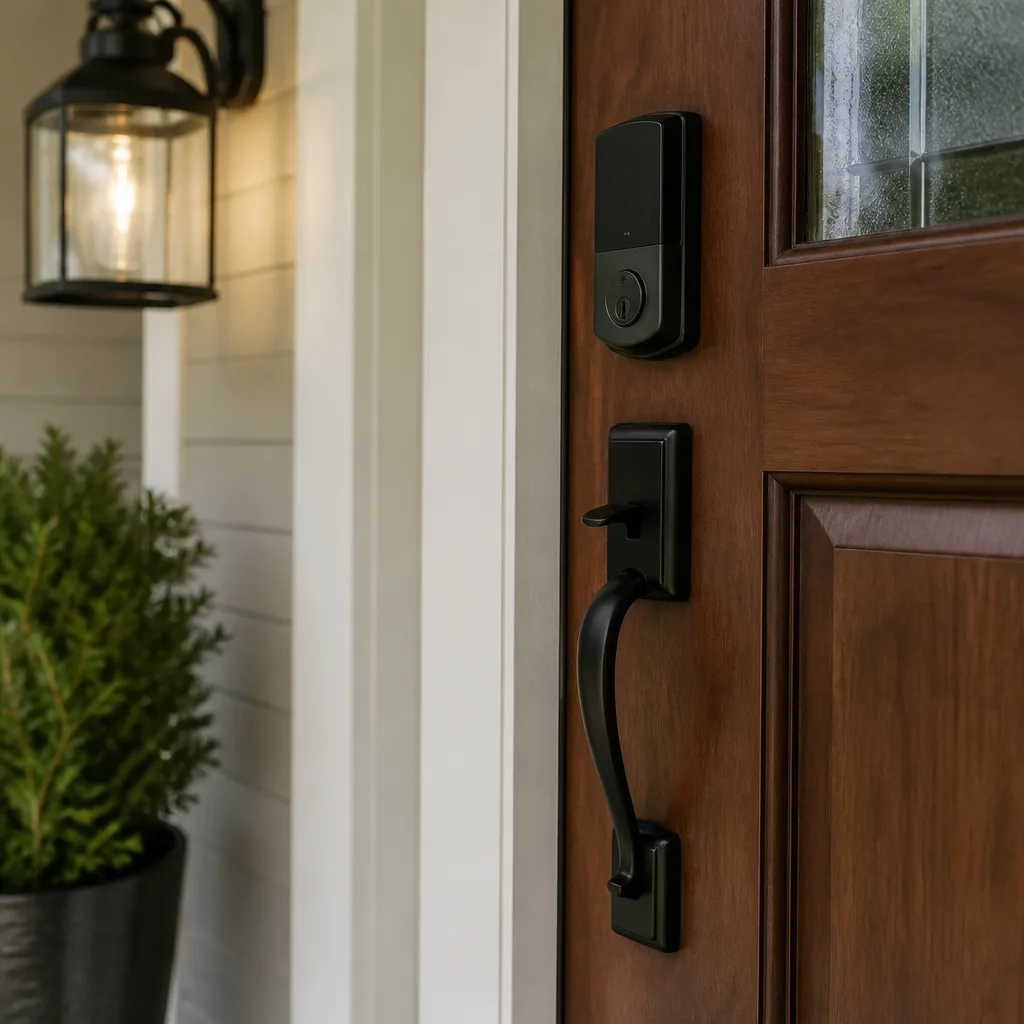 Smart locks
 House lockouts
 Re-keying
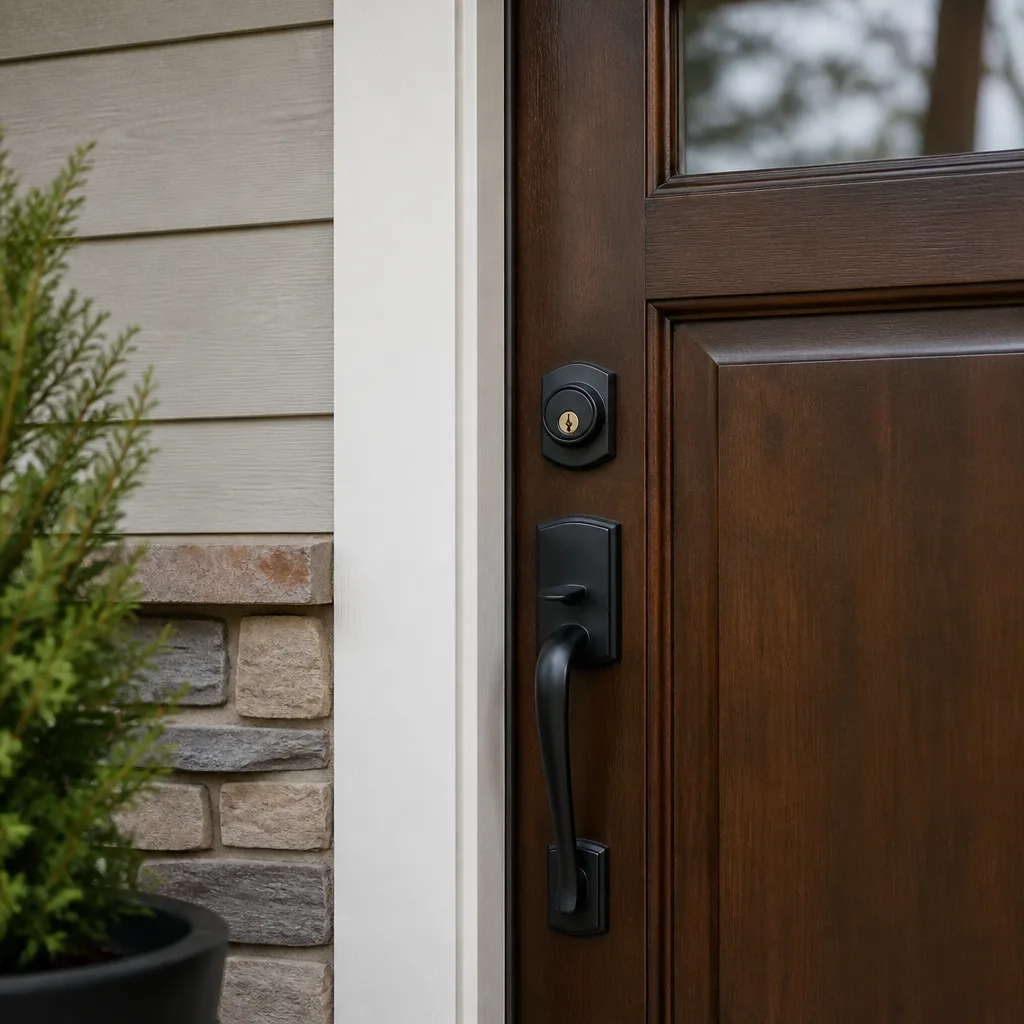 Deadbolt upgrades
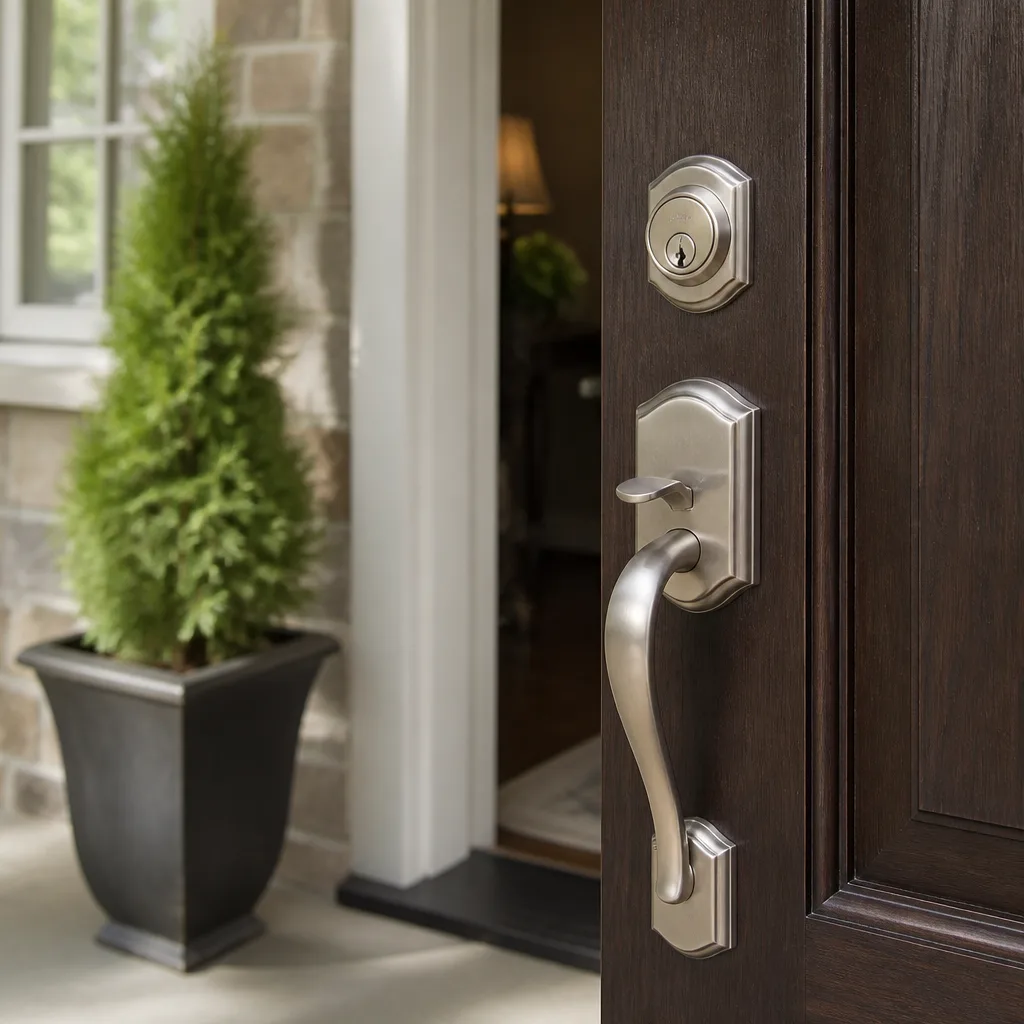 Schlage
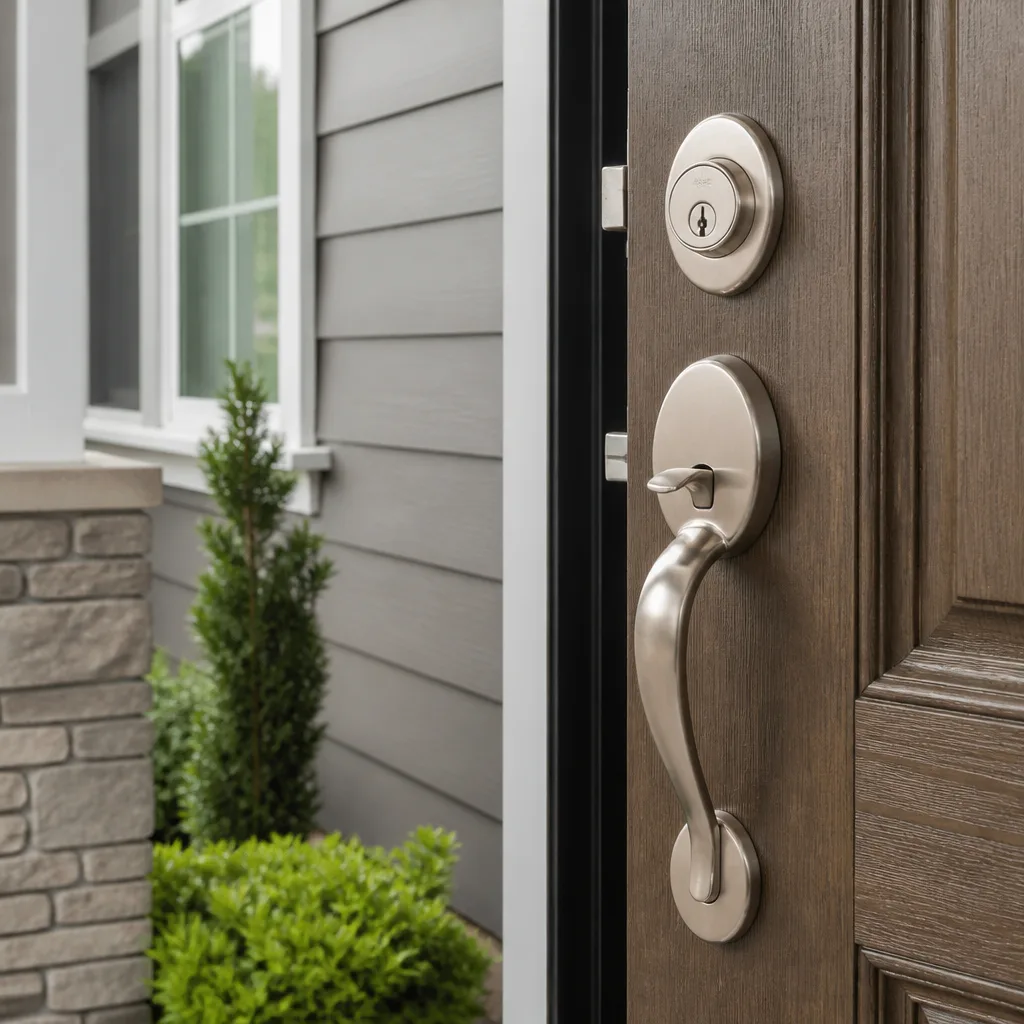 Kwikset
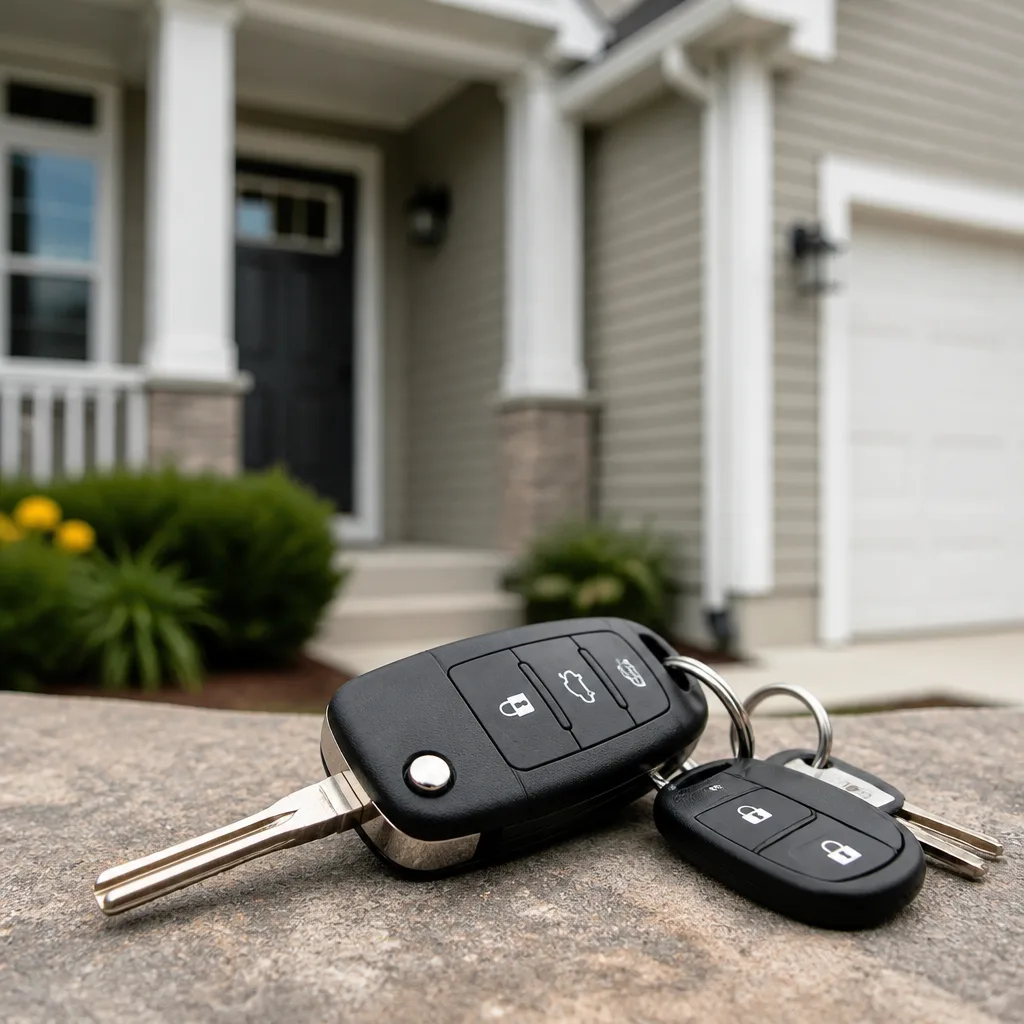 Car keys & fobs
Non-destructive entry first, always - and we re-key Schlage, Kwikset, and Baldwin locks on the spot while you watch
You get a price before we start. It does not change when we arrive. No surprises.
Get your free estimateLocksmith Warning Signs: A Lansing Homeowner’s Reference Guide
A $15 lockout ad sitting at the top of Google Maps is not the bargain it appears to be. It is the opening bid in a documented bait-and-switch scheme that averages $150 to $400 in final charges, and several of these operations have specifically targeted the Lansing metro using local-looking phone numbers and fake storefronts. This guide teaches you how to recognize the playbook before a stranger with a drill shows up at your door in East Lansing, Delta Township, or south Lansing, and you can find more guides & resources on our blog. You will learn the exact scripts predatory operators use, the unnecessary-drilling tell, and three verification steps that take under two minutes.
Quick Answer
The clearest warning signs of a locksmith scam in Lansing are a too-low advertised price, a technician who quotes one number on the phone then inflates it on-site, and a refusal to give a physical business address you can verify. Predatory locksmith operations run fake local listings, pressure you into destructive drilling instead of non-destructive entry, and rely on the fact that you are stressed and locked out. A legitimate Lansing locksmith will quote a full price by phone, arrive in a marked vehicle, and pick a standard Schlage or Kwikset lock rather than drilling it.
Styles & brands we work with
Table of Contents
- The Fake-Address Model: Why That Lansing Listing Isn’t Real
- The Pricing Escalation Script: How $15 Becomes $350
- The Unnecessary Drilling Tell: When a Drill Means a Scam
- Three Verification Steps That Take Under Two Minutes
- Emergency Pricing: What a Fair Lansing Rate Looks Like in 2026
- Red Flag Scripts: Exact Phrases to Listen For
- What to Do After a Lockout or Break-In
The Fake-Address Model: Why That Lansing Listing Isn’t Real
Predatory locksmith operations are not typically run by a guy with a van and a local storefront. They are run by national call centers that create dozens, sometimes hundreds, of hyperlocal listings across mid-Michigan zip codes: 48906, 48910, 48912, 48917. Each listing gets a local-looking phone number that forwards to a dispatch hub in another state. The address on the Google Business Profile is often a vacant lot, a UPS store, or a residential home whose owner has never heard of the company.
Here is how the model works in practice. A homeowner in the Groesbeck neighborhood searches “locksmith near me” at 9:30 p.m. after locking keys in the car. The top three results all show Lansing addresses and local phone numbers. The homeowner calls one. A dispatcher in Phoenix or Tampa answers, quotes $15 to $25 for the service call, and dispatches whatever independent contractor has signed up for that territory. That contractor may be fifty miles away. By the time he arrives, the homeowner has been waiting two hours, and the sunk-cost pressure to accept whatever price he now quotes is enormous.
The fake address is the single most reliable early warning sign. Legitimate locksmith businesses have a physical presence you can drive past. We have seen scam listings use addresses that resolve to parking lots off Saginaw Highway and to strip-mall suites that have been vacant for years. Before you agree to any locksmith service, ask for the street address and plug it into a mapping app’s street view. If the building in the photo does not look like a business that could house a locksmith operation, hang up and call someone else.
The same scheme operates across automotive, emergency, and residential lock work. The call center doesn’t care what the job is. It cares about dispatch volume. Every call that results in a contractor arriving on-site is a chance to run the pricing escalation script. This is why the scheme persists: it works often enough to be profitable, and the victims rarely report it because they’re embarrassed to admit they paid $300 for a five-minute lockout.
The Pricing Escalation Script: How $15 Becomes $350
The phone quote is almost never the final price in a predatory operation. It is the hook. The escalation happens in predictable stages once the technician is standing next to you, and understanding the script in advance is your best defense. Here is the standard sequence, reconstructed from patterns reported across the Lansing area over the past several years:
- The service call. The phone quote covers “coming out” only. It may be $15, $19, or $29. At this stage the dispatcher will not confirm what the total will be. If you press, they deflect: “The technician will assess the lock and give you a quote on-site.”
- The labor line. The technician arrives and announces the labor charge. For a standard lockout, this is quoted anywhere from $75 to $200. He may frame it as “standard rate” or “company minimum.” At this point you have already waited, you are locked out or stranded, and you are psychologically committed.
- The specialty surcharge. This is where the real escalation happens. The technician inspects the lock, frowns, and says something like: “This is a high-security cylinder” or “This is an anti-pick lock” or “This has a security pin I’ll need to drill.” The surcharge is $100 to $250. It is almost never technically justified.
- The replacement upsell. If drilling occurs, the lock must then be replaced. The technician quotes $80 to $150 for a basic knob or deadbolt that retails for $20 to $40 at any hardware store in Lansing, plus another labor charge for installation.
Total: $150 to $400, sometimes more. The person on the phone never quoted you that number. The technician never quoted it before beginning work. And if you refuse to pay, the contractor may threaten to call the police or simply refuse to finish the job, leaving you with a drilled-out lock and a bigger problem than you started with.
The single best countermeasure is to demand a complete, all-in price on the phone before a technician is dispatched. A legitimate locksmith will ask you a few questions about the lock type, confirm the situation, and give you a firm number. Squire Locksmith operates this way: the price quoted on the phone is the price on the invoice. If a company refuses to give a phone quote, or if the phone quote is suspiciously low and the dispatcher hedges on everything else, that is the escalation script waiting to happen.
The Unnecessary Drilling Tell: When a Drill Means a Scam
This is the tell that separates technical competence from opportunistic behavior. On a standard residential lock (a Schlage, Kwikset, or Yale pin-and-tumbler cylinder), drilling is almost never necessary. A trained locksmith can pick, bump, or bypass the vast majority of these locks in under ten minutes without any damage to the lock or the door. Drilling is a last resort for seized mechanisms, broken keys jammed in the cylinder, or genuinely high-security hardware.
So when a technician looks at a common deadbolt and immediately says, “I’ll have to drill this,” one of two things is happening. Either he lacks the skill to pick a basic lock, or he wants the drilling to justify the replacement upsell and the higher invoice. Both are bad for you.
The distinction matters more in Lansing for a simple reason: most local housing stock is fitted with consumer-grade hardware. Schlage and Kwikset dominate the residential market here. The same Schlage F-series deadbolt found across the south side of Lansing is also the single most common residential lock in the United States. It is not a mystery lock. A competent locksmith with a standard pick set and a tension wrench can open it non-destructively in minutes. If the technician reaches for a drill first, you should ask him to stop and explain exactly why picking will not work.
There are legitimate reasons to drill. A broken key fragment packed deep in the plug. A cylinder that has seized from years of Michigan winter salt and corrosion. A Mul-T-Lock or Abloy high-security cylinder with shear pins that was installed without retention of a key code. These are real scenarios, and a good locksmith will explain the mechanism problem before touching the drill. The difference is specificity: a scammer says “it’s high-security, I’ll have to destroy it.” A professional says “the tailpiece is stripped and the plug will not rotate, so I need to drill the shear line and replace the cylinder.” One sentence is a diagnosis. The other is a script.
If a technician begins drilling without your explicit verbal consent after explaining why it is necessary, stop the work. You have the right to refuse. A drilled lock is the most common end state of the Lansing bait-and-switch pattern because it converts a $75 lockout into a $300 replacement job.
Three Verification Steps That Take Under Two Minutes
These three steps, done before you agree to any locksmith, filter out the vast majority of predatory operations. They require no special knowledge and take less than two minutes combined. Do them every time, even when you’re locked out and stressed. That is exactly when the scam operators want you to skip them.
- Physical address check. Ask the dispatcher for the company’s street address, not just the city name. Search it in a maps app and use street view. If you see an empty lot, a mailbox store, or a residence with no visible business signage, you’re dealing with a fake listing. Legitimate locksmith operations have a verifiable physical footprint. If the dispatcher hedges, gives a P.O. box, or says “we work mobile so we don’t have an office,” that is a red flag by itself.
- Vehicle and identity verification. Before the technician touches a lock, look at the vehicle. A legitimate locksmith arrives in a marked or clearly identifiable company vehicle with the business name on it. Ask to see identification or a business card. If the vehicle is unmarked, rented, or has out-of-state plates, ask for the company’s physical address again. A real contractor will have no problem with either. A front for a dispatch hub will dodge both.
- Verbal full-price quote before work begins. This is the one that saves you money. Once the technician has inspected the lock, ask him to state the complete, final price for the work, including all labor, all parts, all surcharges, and any after-hours fee. Get the number out loud before he starts. If the number he states differs from the phone quote, you are now free to decline the work before it begins. Refuse to sign anything until the final price is confirmed.
In our experience, a homeowner who performs these three checks never becomes a scam victim. The schemes rely on rushed decisions made under duress. Slowing the interaction down by two minutes disarms the entire playbook.
Emergency Pricing: What a Fair Lansing Rate Looks Like in 2026
One of the more confusing aspects of the locksmith scam conversation is that after-hours pricing is a real and legitimate thing. A 2 a.m. lockout call in February in Lansing will cost more than a 2 p.m. rekey in June. That difference is not a scam. The confusion benefits predatory operators, who exploit it by quoting numbers far beyond what any legitimate emergency rate should be.
Here is what fair market pricing looks like in the Lansing metro in 2026, based on the rates we see advertised and charged by established local operations:
| Service | Typical Lansing Market Range | Notes |
|---|---|---|
| Basic residential lockout (pick, non-destructive) | $75 – $150 | Standard hours, common Schlage/Kwikset hardware |
| Emergency lockout (nights, weekends, holidays) | $150 – $250 | The legitimate after-hours premium |
| Lock rekey (per cylinder, no hardware) | $20 – $40 per lock | Plus a modest service call fee; far cheaper than replacement |
| Deadbolt replacement (parts and labor) | $120 – $220 | Includes the cost of a quality Schlage or Kwikset deadbolt |
| Car door lockout (non-destructive) | $80 – $150 | Most standard vehicles, standard hours |
| Car key replacement (basic, no programming) | $120 – $250 | Varies by vehicle year and key type |
Any quote that lands more than 30% above these ranges for comparable work deserves a second call. The after-hours premium in Lansing is a reason the rate rises, not a rationale for a $400 bill on a lockout that takes six minutes. A legitimate emergency service can explain its pricing in terms that make sense: higher labor cost for a technician available at 3 a.m., not vague talk about “specialty locks.”
One more thing worth knowing: there is no legitimate surprise fee that appears after the technician arrives. A service call fee is normal. A “fuel surcharge” for a Lansing-area call is not. A “security consultation fee” tacked onto a lockout is not. If the final invoice has line items that were not discussed before the work began, you are not required to pay them.
Red Flag Scripts: Exact Phrases to Listen For
Pattern recognition works best when you know the exact language. These are phrases that show up repeatedly in reports from homeowners across Eaton County, Ingham County, and the greater Lansing metro. If you hear any of them, end the call.
“We can’t give a price until the tech sees the lock.”
This is the escalation script’s opening move. For a standard lockout or deadbolt replacement, a competent locksmith can quote a firm price by phone after asking basic questions: what brand is the lock, is it a knob or deadbolt, is the door open or closed. A blanket refusal to quote is a calculated move to get the technician on-site where the pressure dynamic changes.
“That’s a high-security lock, so this is going to cost more.”
High-security locks exist. Medeco, Mul-T-Lock, and Abloy make genuinely resistant cylinders that are harder to pick. The thing is, these locks are not common on Lansing residential doors. If you know you have a standard Schlage or Kwikset, the “high-security” line is false. High-security branding is exploited because most homeowners cannot verify it, and because the sound of it justifies the upcharge.
“The lock is damaged beyond repair, so we’ll need to replace it.”
Sometimes true. Seized mechanisms, stripped tailpieces, and corroded cylinders do happen, especially after Michigan winters. The tell is whether the technician shows you the specific damage before drilling. A legitimate professional will demonstrate the failure: “Here’s the broken key extractor fragment in the plug, you can see it.” A scammer drills first and tells you later.
“Cash only.”
No legitimate Lansing locksmith runs exclusively on cash. Cash-only policies enable contractors to avoid chargebacks and make fee disputes harder to resolve through your bank. If the dispatcher or technician insists on cash, that request alone is a strong reason to find someone else.
“We’re the top-rated locksmith in Lansing.”
Real locksmiths do not lead with this. The phrase is borrowed from lead-generation marketing scripts used by call centers that have never set foot in Michigan. A business with genuine local reputation doesn’t need to announce it on the first call.
What to Do After a Lockout or Break-In
The aftermath of a lockout or break-in is when hasty decisions compound. Whether you were the victim of a scam or a legitimate break-in, the security response follows a consistent logic, and doing the steps in the right order saves you money and restores access correctly.
Secure first, replace second. After a break-in, the immediate priority is restoring functional locks. This does not always mean replacing the hardware. If the lock cylinder was not damaged and the door frame is intact, a rekey is the faster and more secure response. Rekeying the existing Schlage or Kwikset hardware changes the key pattern so old keys no longer work, at a fraction of the cost of new hardware. From a security standpoint, a rekey is not a budget compromise. It is a complete access reset.
Document everything. If you were scammed, write down the phone number you called, the name the dispatcher gave, the address on the listing, the vehicle description, and the final amount you paid. Report it to the Michigan Attorney General’s Consumer Protection Division and the Lansing Police Department. Scam operations are rarely prosecuted, but repeated complaints about the same phone number and fake address do eventually force listing removal.
Know what a real rekey looks like. A legitimate rekey should take 15 to 30 minutes per lock, involve replacing the cylinder pins rather than the entire lock body, and leave you with new keys and the ability to rekey again in the future. It secures a home after a roommate leaves, after a contractor finishes a job, after a house key goes missing, or after a relationship ends. The hardware stays. The access changes. That is the point.
For everything from rekeys to car key replacement in the wider mid-Michigan area, the Squire Locksmith home page outlines the service approach more fully. And if you are outside Lansing proper, we also cover Car Key Replacement in Okemos and emergency response in Okemos with the same phone-quote-before-dispatch standard.
Common Mistakes to Avoid
- Clicking the first sponsored result without checking the listing. Predatory operations buy ads to rank above legitimate local businesses. The top ad spot is often the worst company on the page. Scroll past sponsored listings and check the organic results or Better Business Bureau listings first.
- Accepting the phone estimate as final. The phone number is a hook, not a quote. Always get the full, all-in price confirmed out loud by the technician before any work begins.
- Letting them drill without an explanation. If a technician picks up a drill for a standard residential lock and cannot give you a specific mechanical reason why, stop the work and call someone else. Drilling a pickable Schlage or Kwikset is the signature move of the Lansing-area scam playbook.
- Paying before the work is done and verified. Some contractors demand payment up front, then vanish with the cash and leave your lock half-removed. Pay when the job is finished and you have tested the new key or lock operation yourself.
- Skipping the after-hours price check. Emergency pricing is real, but it should still fall within the ranges described earlier. A quote more than 30% above the legitimate Lansing range is not emergency pricing. It is opportunistic inflation.
- Replacing locks that only need rekeying. When security needs a reset but the hardware is functional and you trust the existing brand, rekeying is the smart move. It gives you new access control without the cost of new hardware, and it can be done on Schlage, Kwikset, and most other common cylinders.
When to Call a Professional
Locked out of your house or car at any hour, with no spare key and no way in. A break-in or attempted break-in where the lock or door frame is damaged and security is compromised. A missing set of keys that should be treated as a security reset, not a waiting game. A move into a new Lansing home where you don’t know how many previous tenants and contractors hold copies. A key broken off inside the cylinder. A deadbolt that sticks, grinds, or won’t turn, especially in a Michigan winter. Any of these is a reason to call a professional rather than improvising with a credit card or a coat hanger. Squire Locksmith offers free estimates in Lansing. Call (866) 361-1189 and a technician will give you a firm, all-in price for the job before dispatch.
Frequently Asked Questions
You verify the physical address on their listing using street view, check that the vehicle arriving matches the business name, and require a spoken full-price quote before any work begins. A legitimate Lansing operation can answer all three without hesitation. A fake listing fails at the first one.
You were likely run through the pricing escalation script: the $19 covered only the service call, and once the technician was on-site, labor fees and “specialty surcharges” were added incrementally until the price ballooned. This is the most common scam pattern in the Lansing metro, and the only reliable defense is a full phone quote before dispatch.
Almost never. A trained locksmith can pick a standard Schlage or Kwikset cylinder in minutes without damage. Drilling is necessary only for seized mechanisms, broken key fragments, or genuinely high-security cylinders like Medeco or Mul-T-Lock that lack key codes. If a technician reaches for a drill first, ask for the specific mechanical reason.
Yes. Rekeying changes the internal pin configuration so any old keys stop working, which is the same security outcome as new hardware. The difference is cost: a rekey is typically 20 to 40% of the cost of replacing the full lock, and it works on quality brands like Schlage, Kwikset, and Baldwin without sacrificing the hardware.
A legitimate after-hours residential lockout in the Lansing metro typically runs $150 to $250, including the late-night premium. Quotes significantly above that range, especially those above $300 with multiple line-item surcharges, are inflated. The after-hours premium is real; the $400 night lockout bill is not.
Yes. Car key replacement, emergency lockout response, and residential rekeying are the three core service lines at Squire Locksmith. The company works across the hardware spectrum from Schlage and Kwikset through Medeco, Mul-T-Lock, Abloy, and Sargent, which means the technician showing up understands the lock, not just the sales script—see our Car Key Replacement Troubleshooting: Common Problems and How to Fix Them for related guidance. Call (866) 361-1189 for a free estimate.
The Bottom Line
The scams succeed because they target people at their most rushed and vulnerable moments, and because the playbook is designed to escalate costs one small increment at a time. The defense is the same three-part pattern: verify the physical address, compare the vehicle and identity against the business name, and extract a complete spoken price before the work starts. Predatory operations in Lansing rely on you skipping those steps. Do them anyway. For every lock you cannot identify, every key you cannot replace, and every door you cannot open, the calm, technically grounded approach is the one that protects you. Rekey, don’t replace. Get the full price before dispatch. And work with someone who knows a Schlage from a Sargent, on call when it matters.
Written by the team at Squire Locksmith, serving Lansing since 2015.