
Last updated October 31, 2026
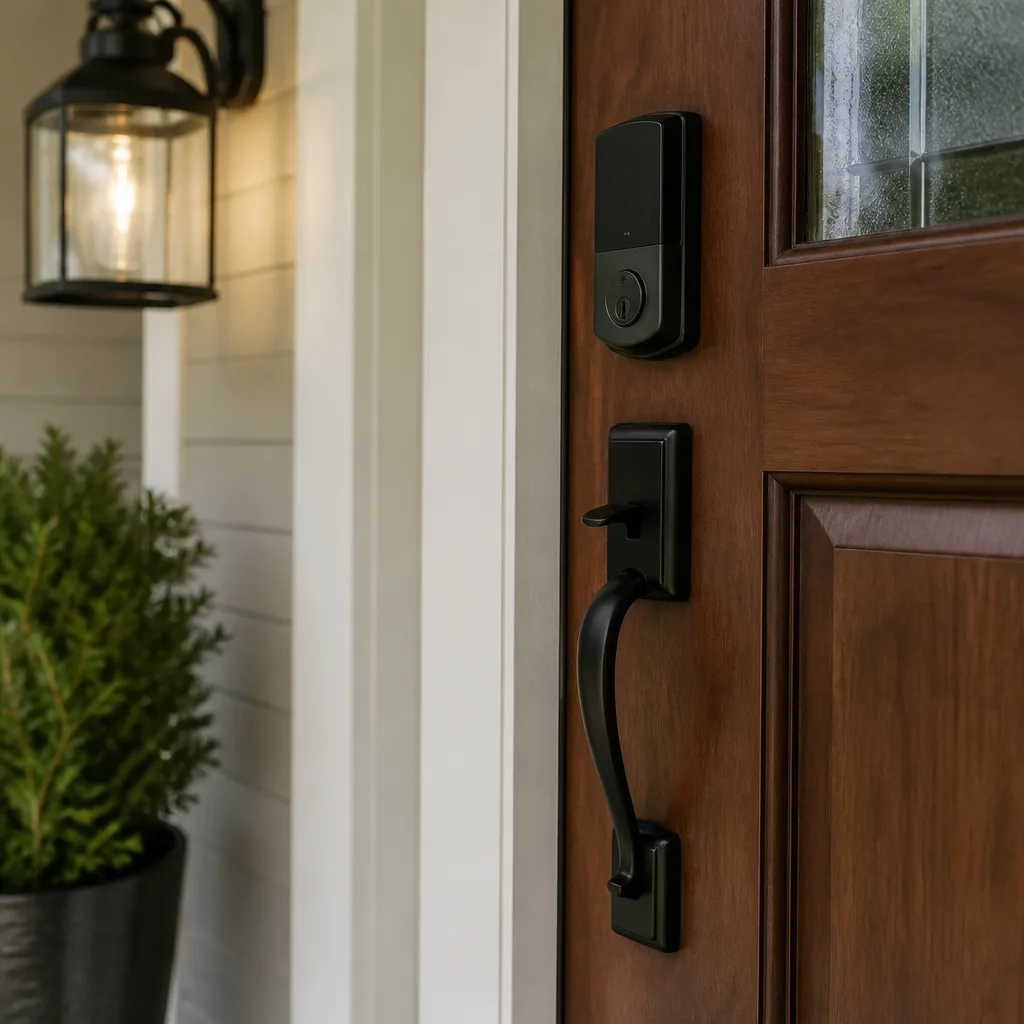 Smart locks
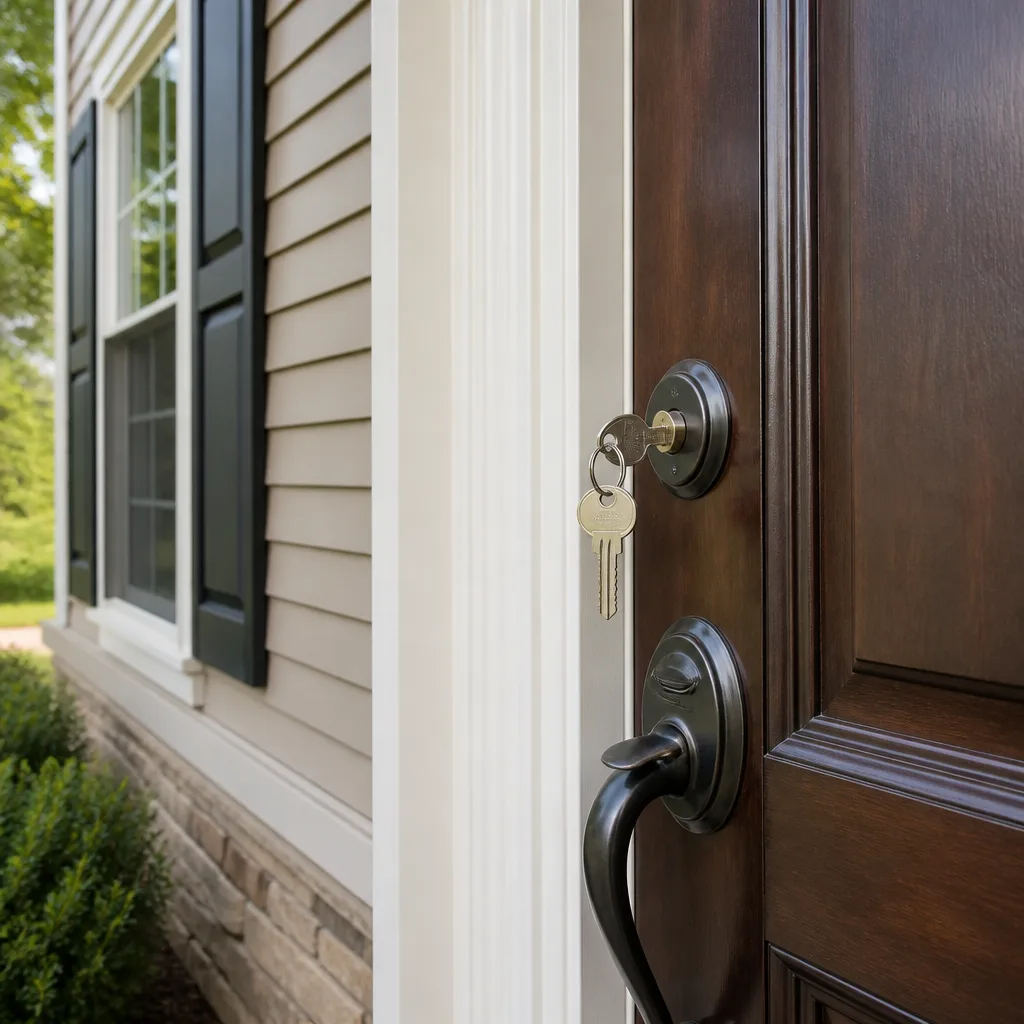 House lockouts
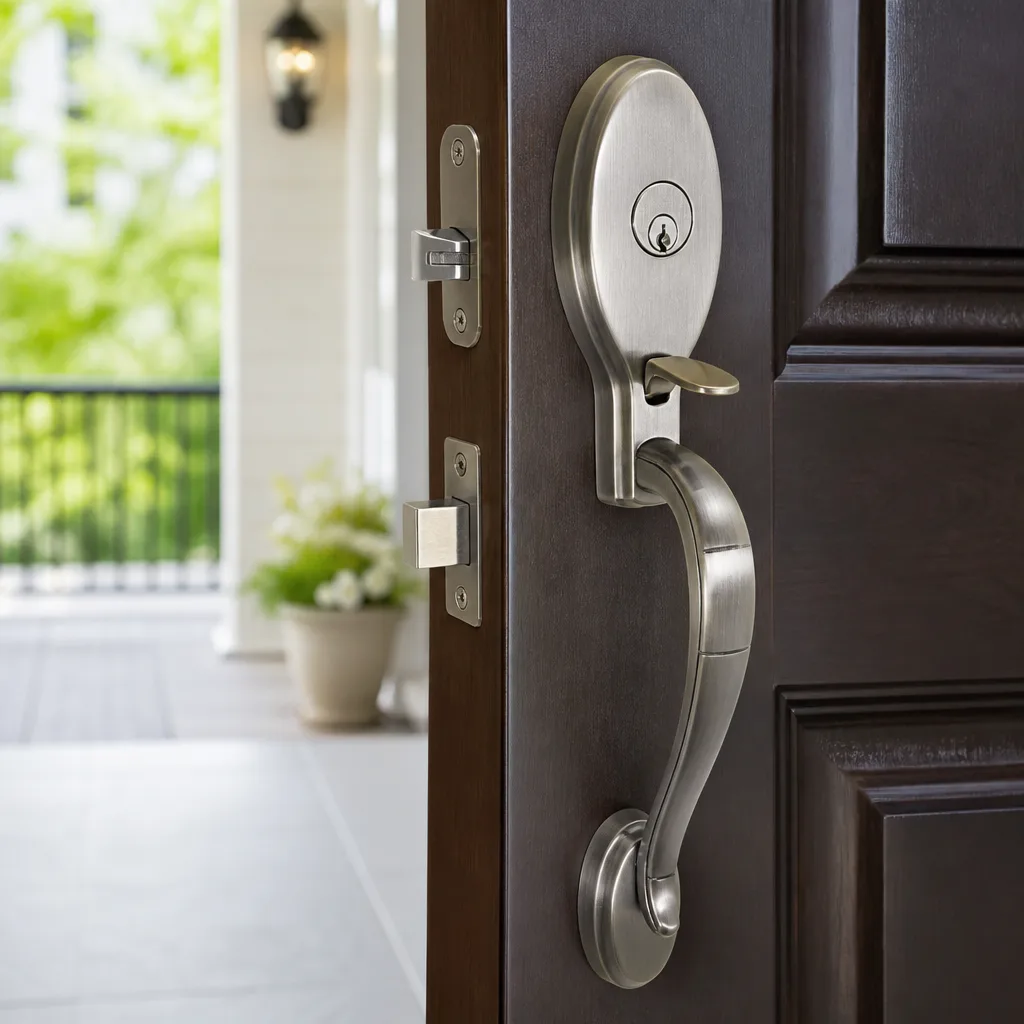 Re-keying
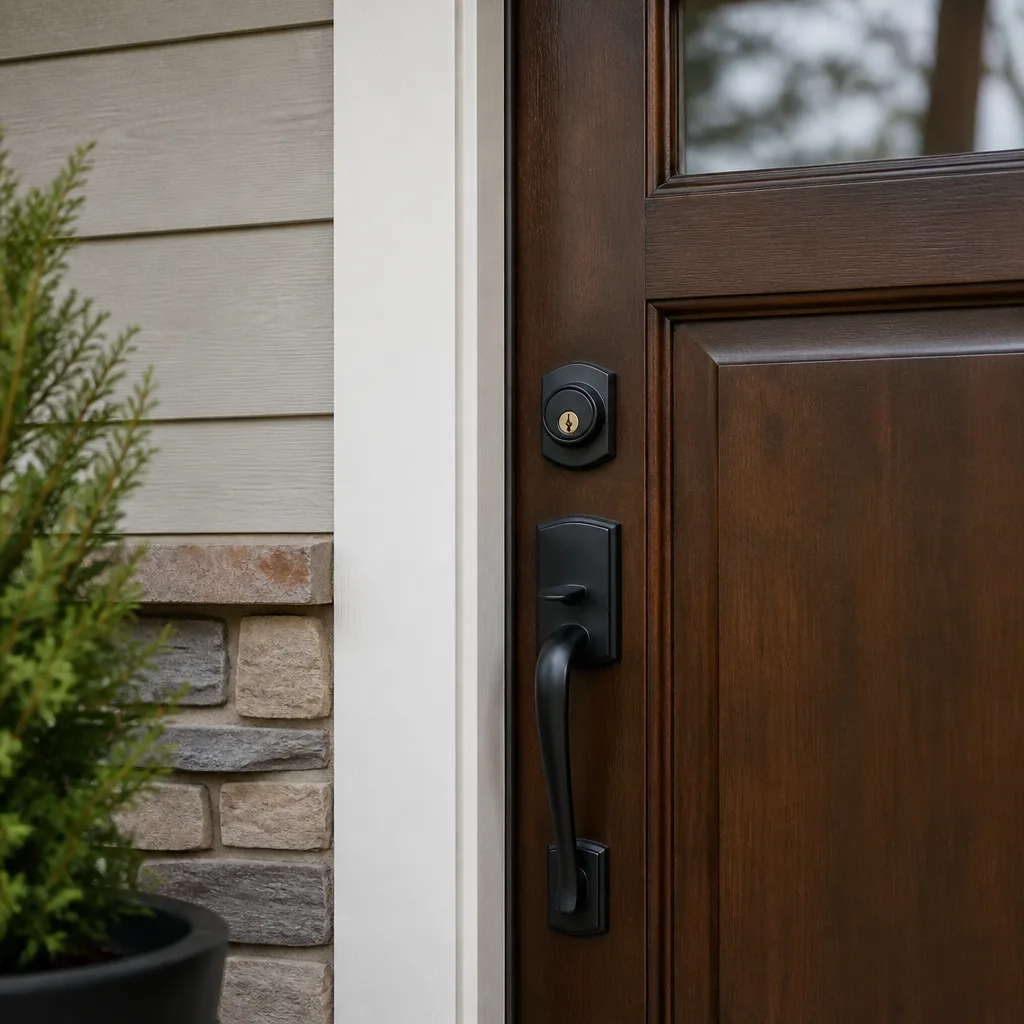 Deadbolt upgrades
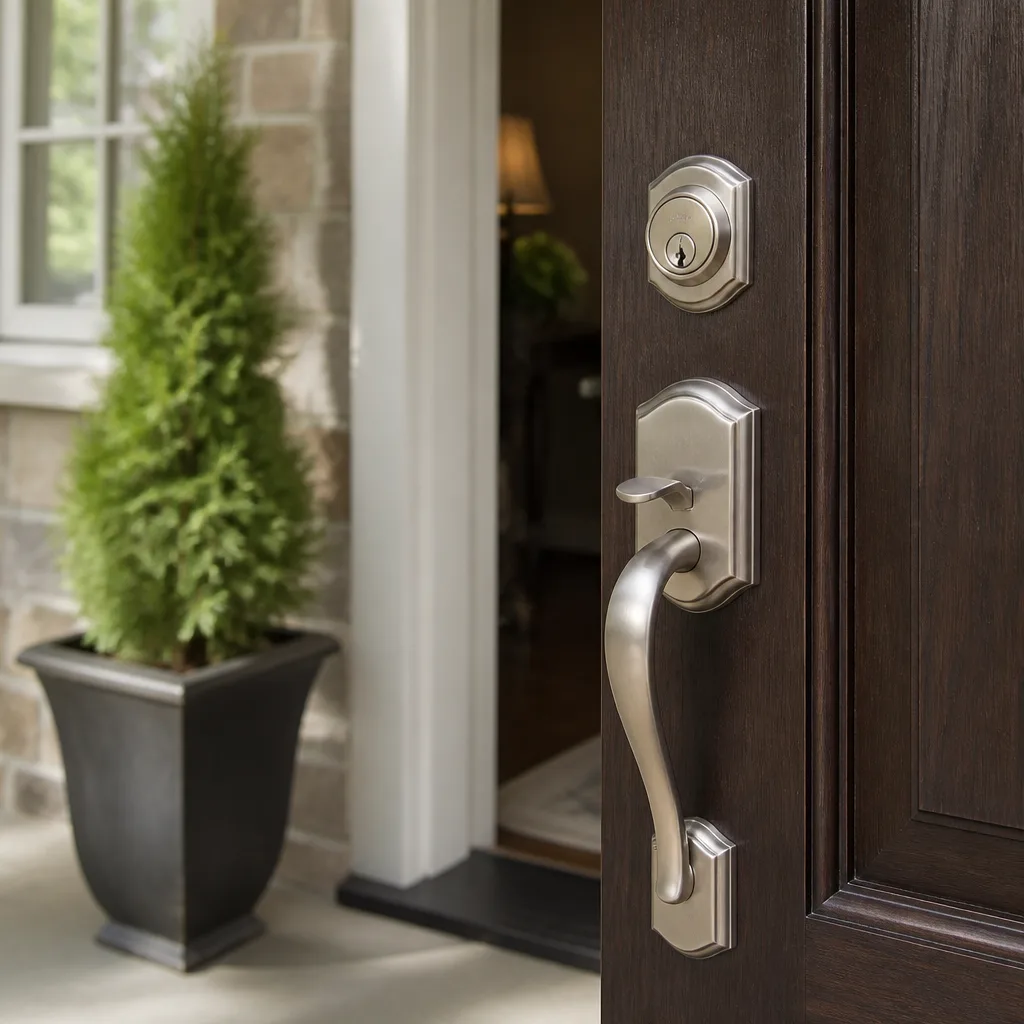 Schlage
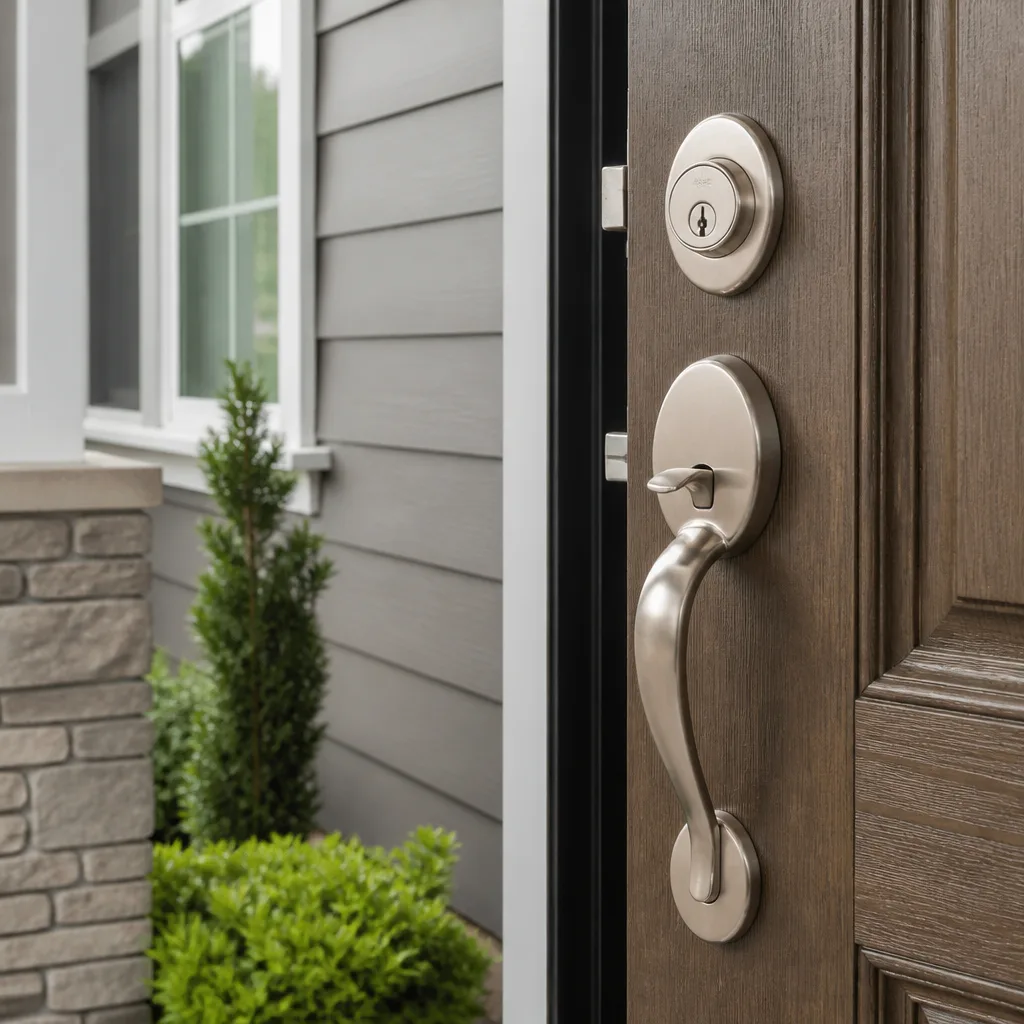 Kwikset
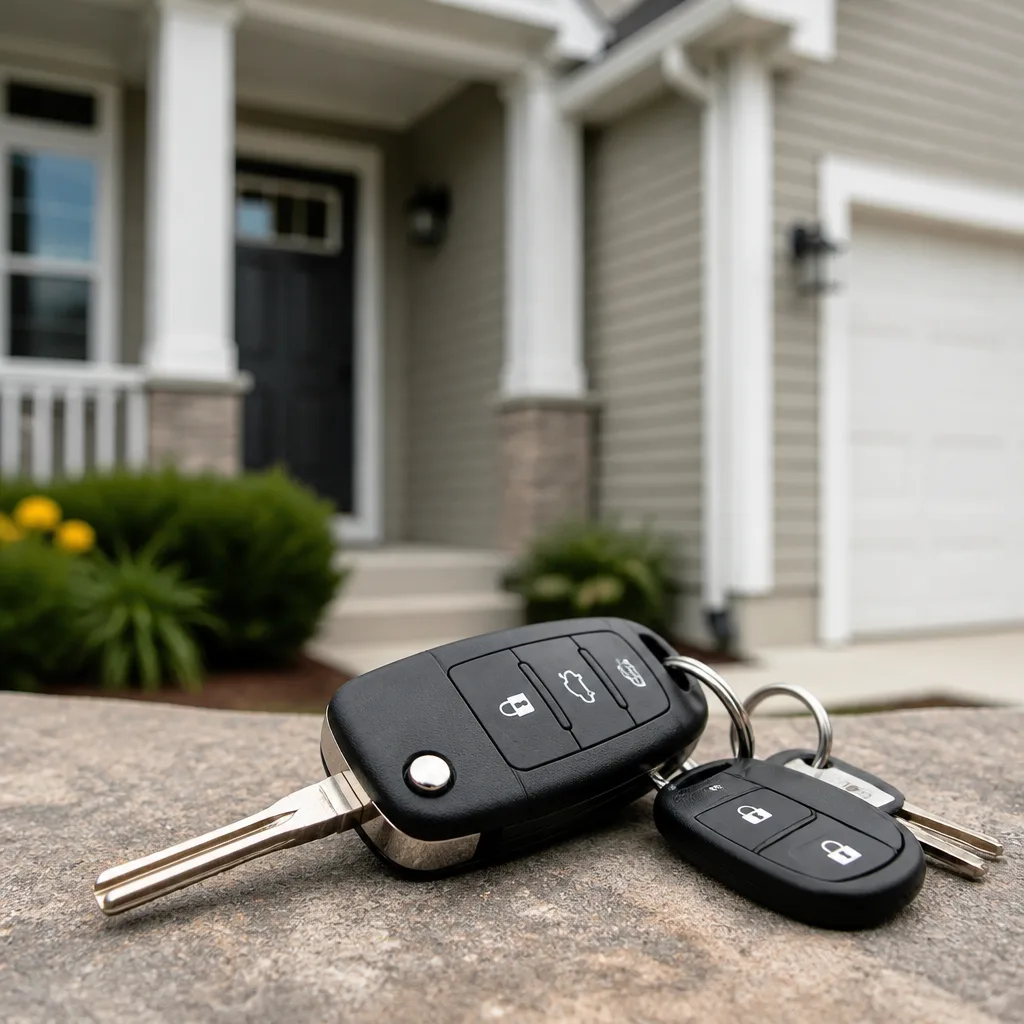 Car keys & fobs
Non-destructive entry first, always - and we re-key Schlage, Kwikset, and Baldwin locks on the spot while you watch
You get a price before we start. It does not change when we arrive. No surprises.
Get your free estimateLocksmith Emergency Preparedness Guide for Lansing Homes
A broken key extractable in three minutes by a prepared locksmith becomes a $200 call at 11 p.m. when the homeowner spent an hour making it worse with needle-nose pliers. The outcome depends almost entirely on what happened in the first sixty seconds. Most Lansing households keep flashlights and bottled water for a power outage, but have no protocol for a lockout, a snapped key, or a deadbolt that refuses to turn. This guide builds that protocol now, calmly, before the cold night and the stuck lock arrive together, and you can find seasonal locksmith care for Lansing homeowners in our year-round guide.
Styles & brands we work with
Quick Answer
Emergency locksmith preparedness for Lansing homes means having one vetted locksmith number saved before you need it, knowing your lock hardware brand, and keeping a spare key with a trusted neighbor rather than under a mat—learn to spot trouble early with our locksmith warning signs for Lansing homeowners. Do those three things and most lock emergencies become a scheduled service call instead of a late-night crisis.
Table of Contents
- Why Lock Emergencies Hit Lansing Homes Harder in Winter
- The Pre-Emergency Checklist: Three Things to Do This Week
- The Four Most Common Lock Emergencies and Your First Five Minutes
- What Information to Have Ready Before You Call
- Michigan Winter Lock Problems: Frozen Cylinder vs. Frozen Ignition
- After a Break-In: What to Check Beyond Visible Damage
- Understanding Your Lock Hardware: Schlage, Kwikset, and Beyond
- Common Mistakes to Avoid
- When to Call a Professional
- Frequently Asked Questions
- The Bottom Line
Why Lock Emergencies Hit Lansing Homes Harder in Winter
Lansing’s freeze-thaw cycle does something specific to residential locking hardware. When temperatures swing from 10 degrees at night to 35 degrees the next afternoon, the metal in a deadbolt cylinder contracts and expands. Moisture from snowmelt seeps into the keyway, refreezes overnight, and suddenly a key that turned smoothly in October won’t insert at all in February. We see this pattern every winter in neighborhoods across the city, from Old Town to Groesbeck to the colonial-era houses near the Capitol.
But it’s not only the cold. Michigan’s seasonal humidity shifts also affect wooden door frames. A door that swells in summer and shrinks in winter changes the alignment between the latch and the strike plate. A deadbolt that’s even slightly misaligned requires force to throw. Force applied to a stressed cylinder is how keys break. That’s why Lansing homeowners report a noticeable spike in broken-key calls between December and March, often on the same days when the furnace is running hardest and the house is warmest inside while the lock is freezing outside.
Preparedness, then, isn’t about expecting a locksmith to be available. It’s about recognizing that your front door hardware is a mechanical system exposed to Lansing weather every day of the year, and treating it with the same foresight you’d give a furnace or a sump pump.
The Pre-Emergency Checklist: Three Things to Do This Week
The best emergency plan is the one you never have to execute under stress. Here’s what actually moves the needle for Lansing homeowners, based on what we’ve learned from thousands of service calls in the city.
- Save one vetted locksmith number in your phone now. Not in a drawer, not in an email you’ll have to search for. In your contacts, under “Locksmith,” with the number already dialed once to confirm it works. When you’re standing on a porch in January at 9 p.m., you do not want to be reading reviews and comparing quotes. Squire Locksmith’s number is (866) 361-1189. Save it this week. The Emergency Locksmith in Okemos page covers the same response approach we use throughout the Lansing area.
- Place a spare key with a trusted neighbor or a secure off-site location, not under a mat or in a fake rock. Every locksmith knows where people hide keys. So does every burglar. A neighbor two houses down with your spare is worth more than any clever hiding spot. If a neighbor isn’t an option, consider a small combination lockbox mounted somewhere out of sight, not the plastic kind that breaks with one hammer strike.
- Identify your lock hardware brand before anything goes wrong. Look at the face of your deadbolt. If it says Schlage, Kwikset, or another name, note it. If it’s blank, it may be an off-brand or builder-grade lock. Knowing the brand helps us bring the right pins, springs, and extraction tools on the first trip, which means a faster fix and often a lower cost since we aren’t making two runs.
The Four Most Common Lock Emergencies and Your First Five Minutes
Lock emergencies fall into predictable patterns. What you do in the first five minutes determines whether it’s a $90 service call or a $200 repair with a replacement lock. Here’s the protocol for each.
1. Lockout from a Home or Vehicle
Stop and check every door and window before calling. You would be surprised how often a back door or a second-floor window is unlocked. Once you’ve confirmed you’re truly locked out, do not attempt to force the door with a credit card, a screwdriver, or body weight. Forcing a door damages the frame, the latch, and often the lock itself. We’ve repaired doors in Lansing neighborhoods where a “quick credit card trick” turned a simple lockout into a door frame replacement. Call a locksmith, stay warm, and wait.
2. Broken Key in a Cylinder
The key breaks. Half stays in your hand. Half stays in the lock. Do not insert a second tool. Do not use needle-nose pliers, a paperclip, a knife, or tweezers. Every attempt to dig the broken piece out pushes it deeper and risks turning a simple extraction into a cylinder replacement. A professional key extraction tool is a thin, hooked instrument that slides along the keyway and catches the broken bit from behind. We use them daily, on everything from Schlage home locks to vehicle ignitions. If the key broke while turning, the cylinder may already be worn, and extraction plus rekeying may be the right fix. The Rekey Locks in Okemos page explains that process in more detail.
3. Deadbolt That Won’t Turn
Try the key from the other side of the door. If the interior thumbturn works but the key doesn’t, the cylinder is the issue. If neither works, the bolt itself may be jammed against a misaligned strike plate. Press the door in or pull it toward you while turning. Sometimes a few millimeters of play is all it takes. Don’t force the key with pliers or leverage. A bent or broken key inside a jammed deadbolt compounds the problem. If gentle pressure doesn’t do it, call.
4. Lock Damaged After an Attempted Break-In
Check whether the door or frame shows prying marks. If the lock still turns with the key but feels gritty or loose, the cylinder may have been drilled, bumped, or partially forced. A lock that “still works” after an attack may fail completely within days or weeks. Do not rely on it. We’ll cover the full post-break-in evaluation later in this guide. For now, know that a compromised lock needs inspection even if it operates.
What Information to Have Ready Before You Call
When you call a locksmith, the dispatch conversation determines what tools arrive and how quickly. Have these three answers ready.
- Door hardware brand, if visible. Schlage and Kwikset are the most common in Lansing homes. If you know you have a Baldwin or an Abloy, even better. Brand tells us the cylinder type and what key blank we need.
- Deadbolt or knob/lever. A deadbolt is separate from the handle, higher on the door. A knob or lever has the lock cylinder in the handle itself. The fix differs, and the time differs.
- Key broken, or lock not operating? Be specific. “The key snapped off inside” sends us with extraction tools. “The key turns but nothing happens” points to a disconnected tailpiece or a failed cam. “The key won’t insert” suggests ice or a foreign object in the keyway. Each answer changes our preparation.
Honest, specific descriptions save money. If you don’t know the hardware brand, just say so. We’ll identify it on arrival. But any information you can give up front makes the call shorter and keeps our truck stocked correctly for what we’ll find.
Michigan Winter Lock Problems: Frozen Cylinder vs. Frozen Ignition
Lansing winters produce three distinct cold-weather lock failures. They look similar but require different responses. Misdiagnosing them is how small problems become big ones.
Frozen Residential Deadbolt
Symptom: key won’t insert, or inserts halfway and stops. Usually caused by moisture inside the keyway that froze. The right response is gradual warming: a hair dryer, a warm key inserted slowly, or a commercial de-icer made for locks. Never pour hot water into a lock. The water re-freezes deeper inside and makes the problem worse. Never force the key. If warming doesn’t free it within ten minutes, there may be foreign material inside the cylinder, and forcing it will only shear a key or break pins.
Frozen Car Door Lock
Symptom: door won’t unlock with the key or the remote, but other doors may work. The lock cylinder is frozen. Lubricant-based de-icers work here, as does warming the key itself with a lighter before inserting. Don’t pull on the door handle with full strength; the plastic linkage inside many modern car doors fails under extreme cold. If the key inserts but won’t turn, the cylinder may have ice or a worn wafer. We cover vehicle lock issues in depth on our Car Key Replacement in Okemos page, and the same principles apply across Lansing.
Frozen Car Ignition
Symptom: key won’t turn in the ignition, or the steering wheel locks up. This is often a frozen ignition cylinder, but it can also be a steering lock engaged while the wheels are turned. Try turning the steering wheel gently while turning the key. Do not force the key harder. A broken key in an ignition is a significantly more expensive repair than a frozen cylinder, especially on newer vehicles with transponder keys. If gentle pressure and warming fail, call a locksmith who handles automotive work.
After a Break-In: What to Check Beyond Visible Damage
A forced entry is one of the few times a lock should be treated as compromised even if it still works. Here’s what to look for and what to ask a locksmith to inspect.
First, check the door frame and strike plate. If the screws holding the strike plate are short, standard-issue screws, the plate may have pulled loose under force, which weakens the entire door assembly even after the lock itself is fixed. Long, three-inch screws driven into the door frame studs are the correct fix, and it’s a simple upgrade most Lansing homeowners never think to ask for.
Second, examine the keyway. If the face of the cylinder shows scratches, dimples, or a flattened area, someone may have tried to drill it. A drilled cylinder can operate for a while and then fail suddenly, usually when you’re leaving for work. Ask us to remove the cylinder and check the internal pins. If the lock was bumped, the pins may be damaged in a way that’s invisible from outside.
Third, consider rekeying rather than replacing. If the lock body and bolt are intact, a rekey gives you completely new key control without the cost of new hardware. We recommend it after any break-in or lost key, and honestly, after moving into a new home, too. You have no idea how many copies of the old key exist. Rekeying is a security upgrade, not a budget compromise. The Squire Locksmith home page outlines our full approach to residential security in the Lansing area.
Understanding Your Lock Hardware: Schlage, Kwikset, and Beyond
Most Lansing homes have either Schlage or Kwikset hardware on the doors. Both are reputable brands, but they use different keyways and different pin systems. A locksmith who treats them the same is one you should be cautious about.
Schlage cylinders, common on newer builds and most deadbolts, use a six-pin system with tighter machining tolerances. Kwikset, equally common, uses a five-pin system with a different keyway shape. The tools and pins differ. Beyond those two, we regularly service Yale, Baldwin, Sargent, and high-security lines like Medeco, Mul-T-Lock, and Abloy. Each of those brands has its own key control and pinning system. A Medeco lock, for instance, uses angled cuts that require specialized cutting equipment. A Mul-T-Lock cylinder uses a telescoping pin design that standard tools can’t touch.
Why does this matter to a homeowner? Because when a locksmith tells you a lock “can’t be rekeyed” or “needs full replacement,” sometimes that’s true and sometimes it’s a technician who doesn’t have the right pins or knowledge. We rekey Schlage, Kwikset, Yale, and Sargent hardware daily. For high-security lines like Abloy or Mul-T-Lock, we work within the brand’s key control systems, which often requires card-based key ordering. The point is: know your hardware. From Schlage to Medeco, we know your lock.
Common Mistakes to Avoid
- Hiding a spare key under a doormat or fake rock. These are the first places anyone looks, and insurance claims are denied when there’s no sign of forced entry. A neighbor or a mounted lockbox is better.
- Using WD-40 in a lock cylinder. It gums up over time and attracts dust, which makes the pins stick. Use a dry graphite or Teflon lubricant made for locks, or let us clean and lubricate the cylinder properly.
- Forcing a key that resists turning. If the key doesn’t turn under normal finger pressure, something is wrong. Adding leverage with pliers is how keys break off inside locks, and a broken key in a cylinder is always a worse problem than the original stuck lock.
- Ignoring a lock that works “fine” after a break-in attempt. A compromised cylinder fails unpredictably. The time to fix it is before it leaves you locked out or worse, unable to lock your door at all.
- Choosing a locksmith by lowest price only. Some low-ball quotes double when the tech arrives, or turn into unnecessary lock replacements. A legitimate locksmith gives a full price on the phone before dispatch and honors it.
- Waiting until winter to notice a sticky deadbolt. If your deadbolt is hard to turn in August, it will be impossible in February. Lubricate and adjust during warm weather when you’re not standing outside in the cold.
- Attempting DIY rekeying with a kit from a hardware store. Those kits work on a narrow range of Kwikset locks and fail on anything else. We regularly see partially-rekeyed locks that are now keyed to zero working keys because a pin or spring got lost during the attempt.
When to Call a Professional
Call a locksmith when the key breaks, when the lock won’t operate after gentle troubleshooting, when you’re locked out and no spare is accessible, or after any break-in or attempted break-in. If the lock is high-security hardware, like Medeco, Mul-T-Lock, or Abloy, don’t try anything yourself. Those systems are engineered to resist tampering, and homeowner attempts usually destroy the cylinder. If your car key is lost, broken, or won’t turn in the ignition, call a locksmith with automotive capability rather than heading straight to a dealership. Squire Locksmith offers free estimates in Lansing. Call (866) 361-1189 and describe the problem honestly. We’ll give you a full price on the phone before anyone is dispatched, and that’s the price on the invoice, no surcharges added on arrival.
Frequently Asked Questions
Save a number from a locksmith you’ve already vetted during normal business hours, not the first one that pops up in a 2 a.m. search. Ask about hardware brands they service and whether they give phone estimates. Squire Locksmith serves the entire Lansing area and provides full pricing on the phone before dispatch. Call (866) 361-1189 anytime.
Do not insert any tools or attempt to dig the broken piece out. Call a locksmith with extraction tools who can remove it and check the cylinder for damage. We handle broken key extraction daily for Lansing homeowners on Schlage, Kwikset, Yale, and other hardware. Call (866) 361-1189.
Residential lockout service in Lansing typically runs between $75 and $165 depending on time of day, door type, and whether lock repair is needed. Broken key extraction and rekeying are separate services with their own pricing. We quote a full price on the phone before dispatch, and that is the price you pay, no hidden arrival fees. Call (866) 361-1189 for an exact quote.
Hardware store rekey kits are limited to certain Kwikset models and often fail on other brands. A professional rekey costs about the same as a kit once you factor in the tools you actually need and the risk of destroying a cylinder. Rekeying is a security upgrade, and it’s one service where doing it wrong leaves you with a lock that no key operates. Call (866) 361-1189 for a rekey quote.
Rekeying is almost always sufficient if the lock body is intact. Rekeying gives you new keys that render old copies useless, at a lower cost than replacement. We recommend a professional inspection after any forced entry to check the cylinder, the strike plate, and the door frame. Call (866) 361-1189 to schedule a post-break-in security evaluation.
A frozen car door lock often responds to a commercial de-icer or a warmed key. If the key turns but the door won’t open, or if the ignition cylinder is the problem, do not force it. Automotive lock and ignition work requires specialized tools and knowledge of transponder systems. Squire Locksmith handles car key and ignition issues for Lansing drivers. Call (866) 361-1189 before forcing anything.
The Bottom Line
Locks fail when the temperature drops, when the door frame shifts, and when keys are forced. Lansing homeowners face all three every winter, plus the year-round risks of lost keys and break-ins. The prepared approach is simple: know your hardware, have a spare key placement that actually works, and keep a vetted locksmith’s number in your phone. Do those three things and a lock emergency becomes a planned phone call. Skip them and you’re negotiating with a problem at midnight in February. From Schlage to Medeco, we know your lock. Trusted with your access. On call when it matters. Explore more guides & resources to stay prepared.
Ready to prepare? Call Squire Locksmith at (866) 361-1189 for a free estimate on rekeying, lock inspection, or to ask any question about your hardware. We serve the entire Lansing area with emergency response and full residential locksmith services.
Written by the team at Squire Locksmith, serving Lansing since 2015.