Last updated October 31, 2026
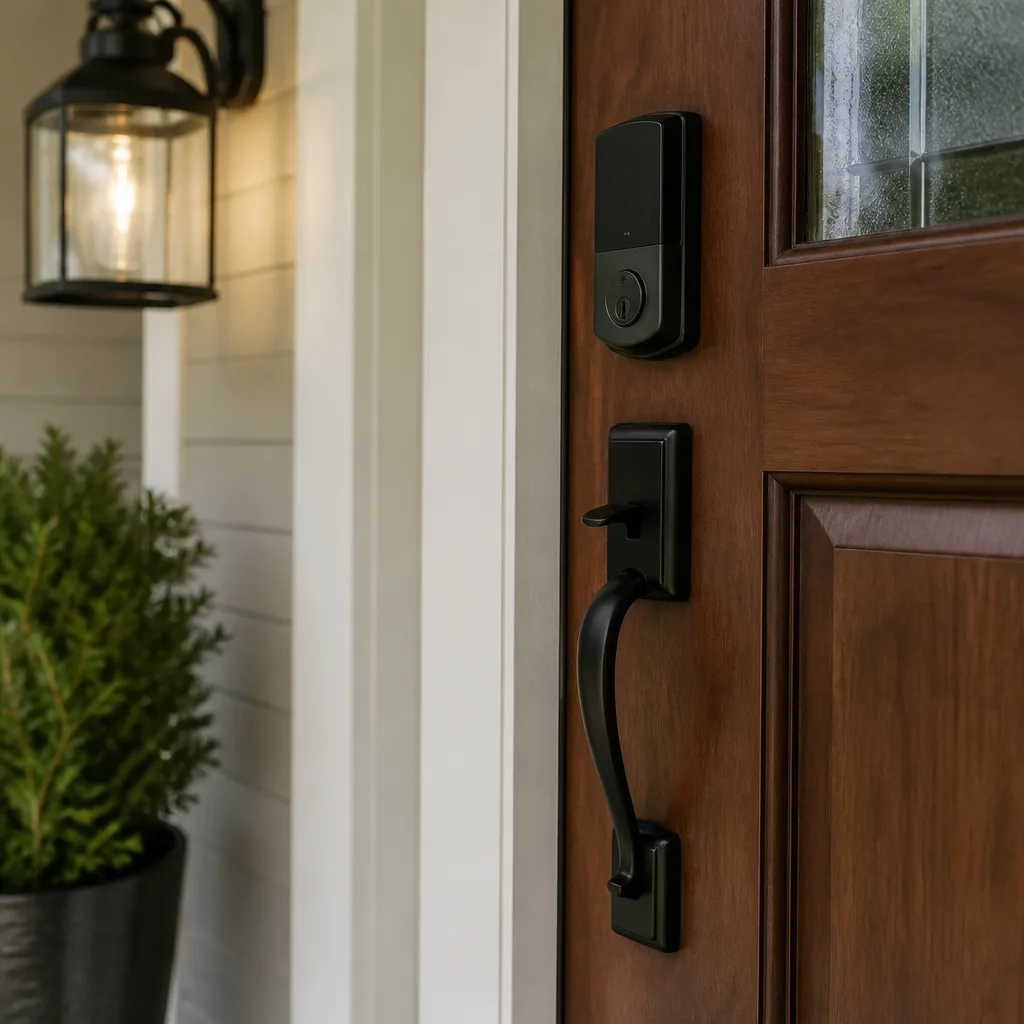 Smart locks
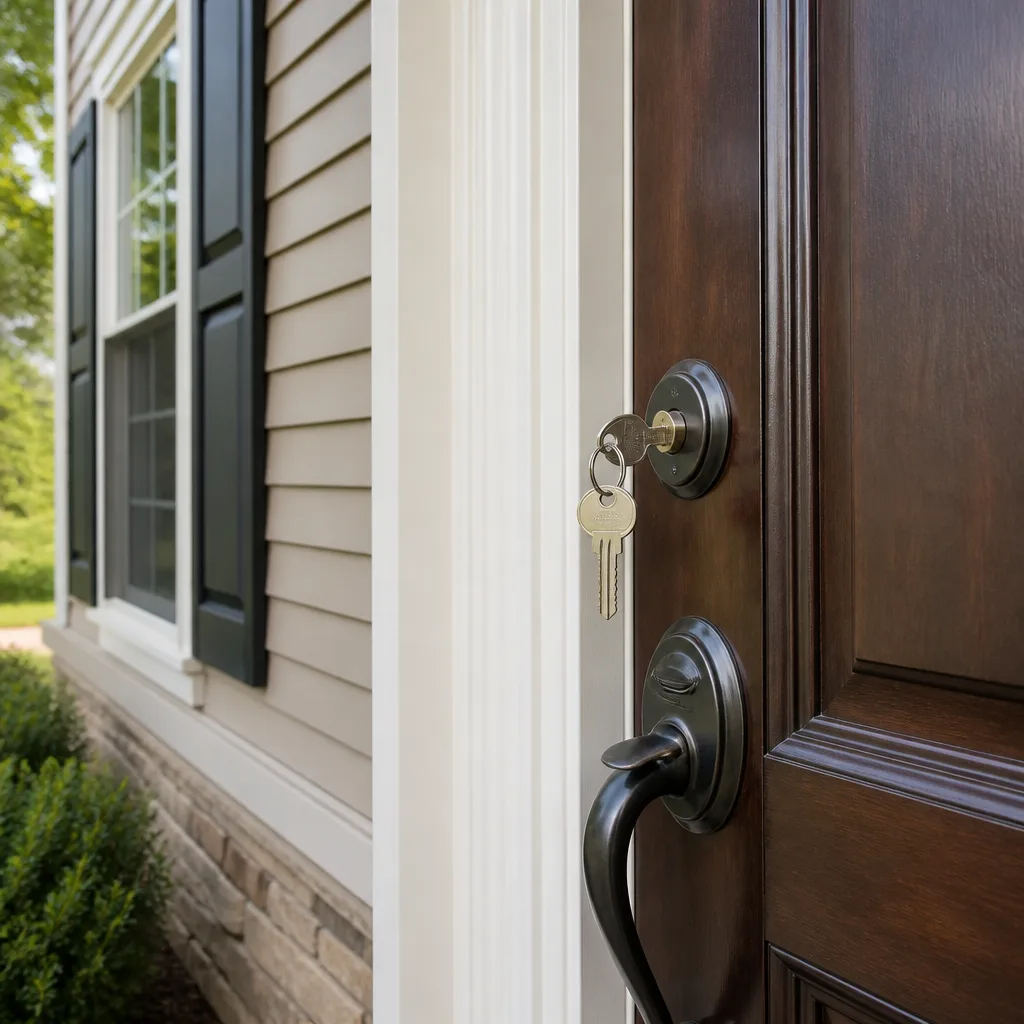 House lockouts
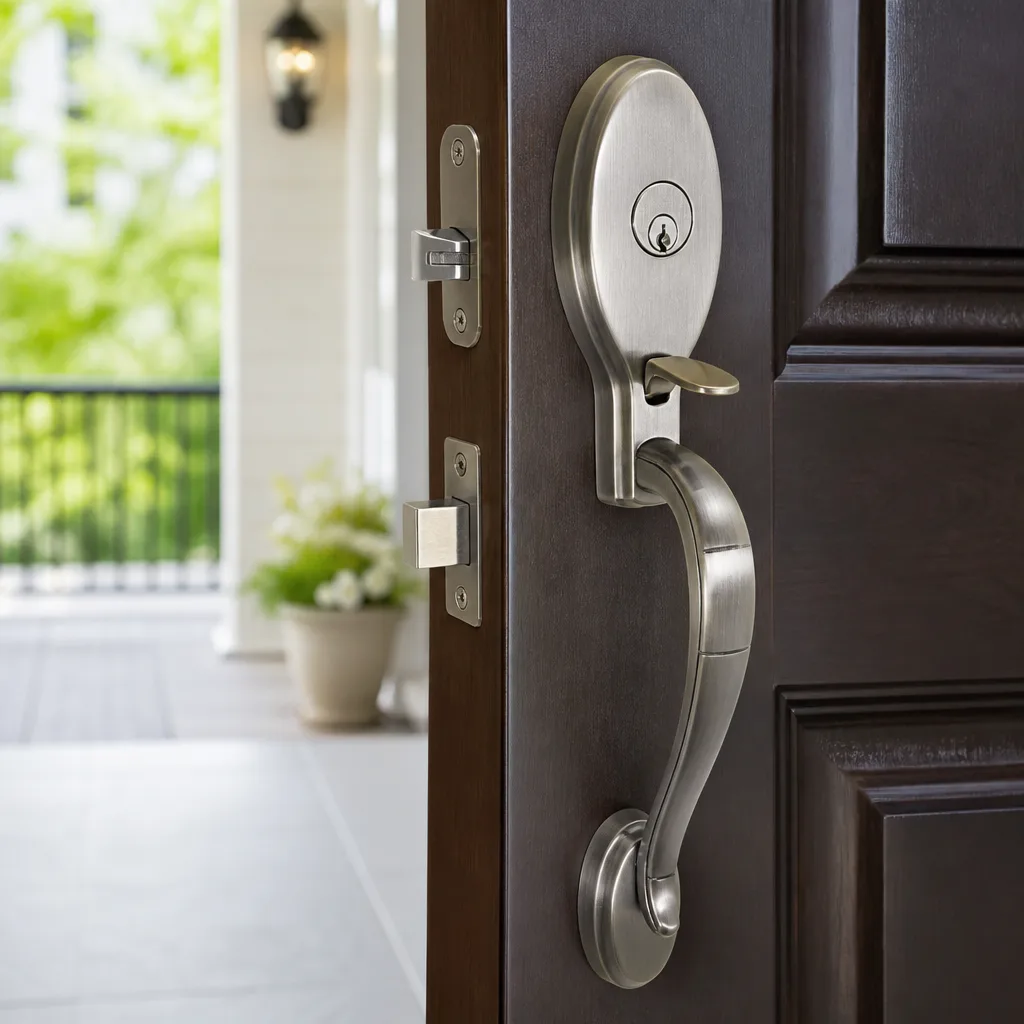 Re-keying
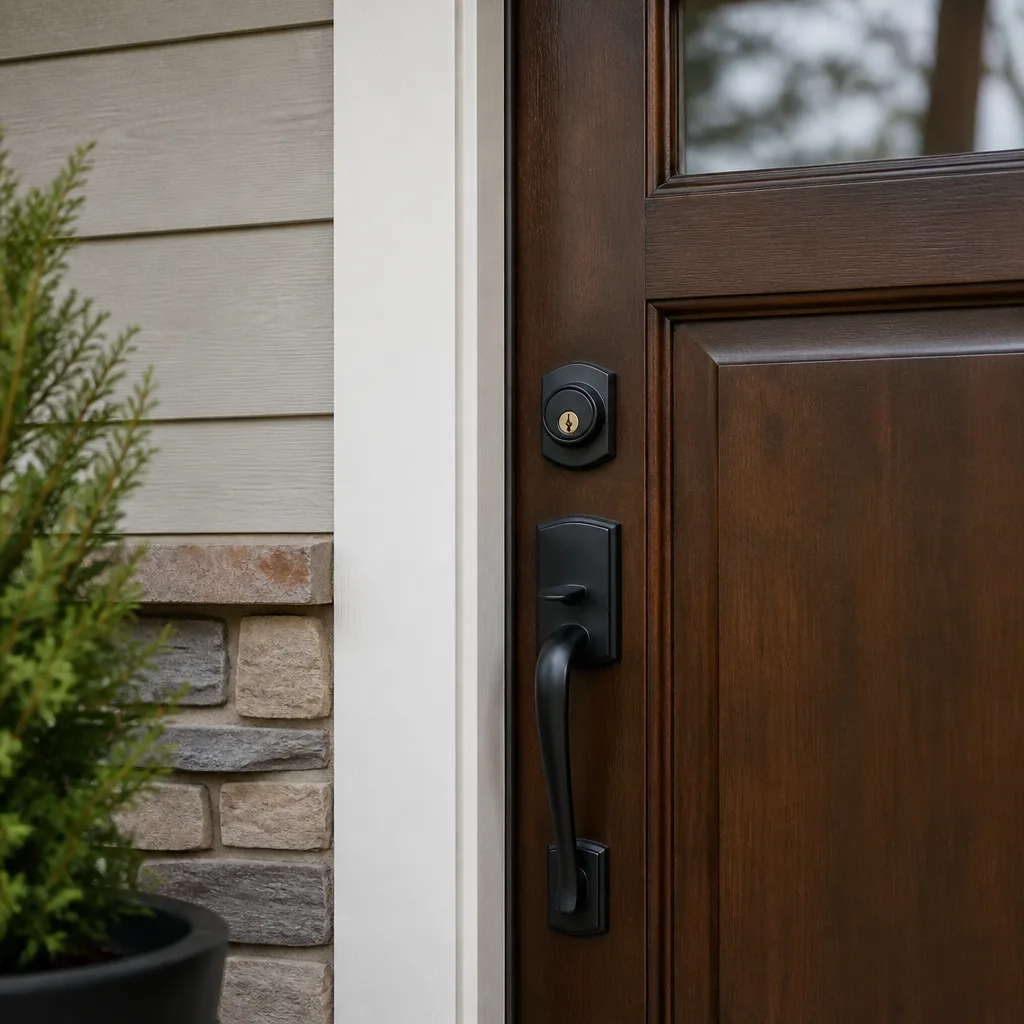 Deadbolt upgrades
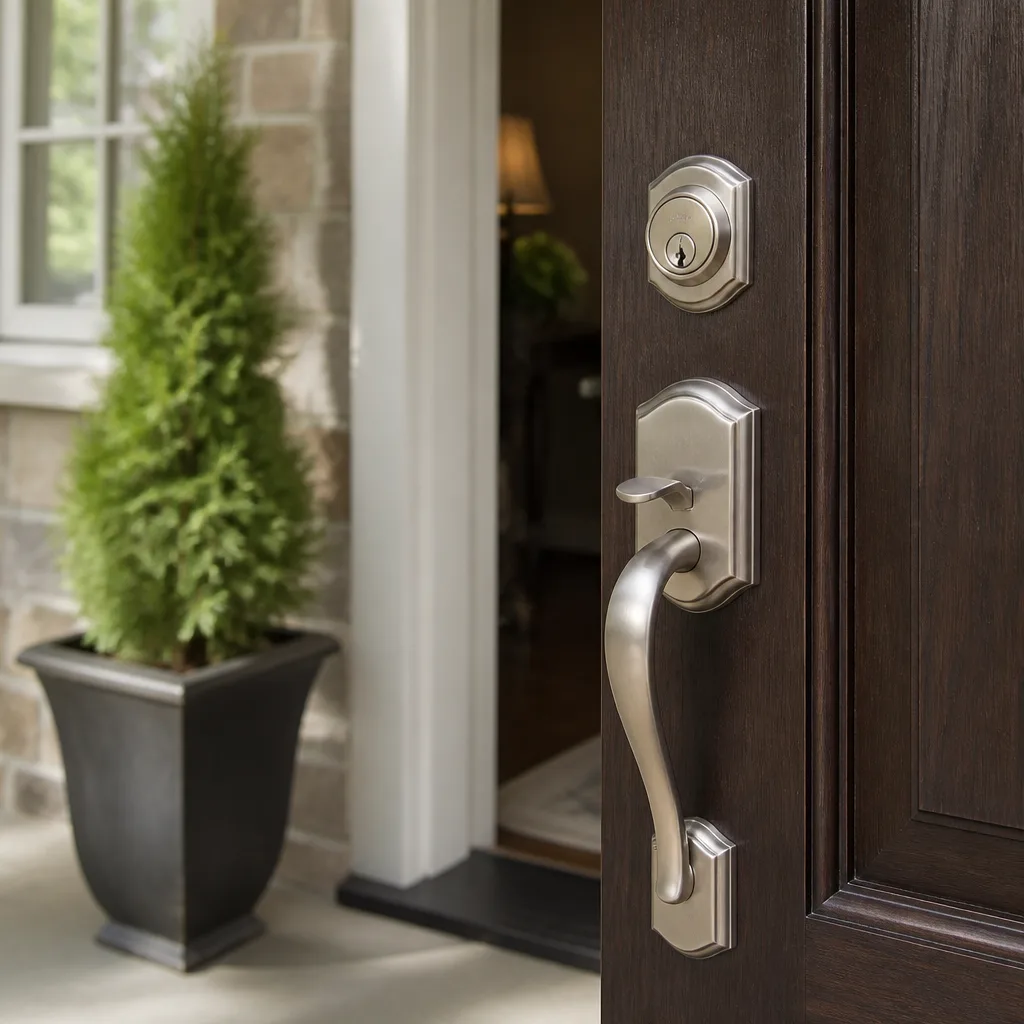 Schlage
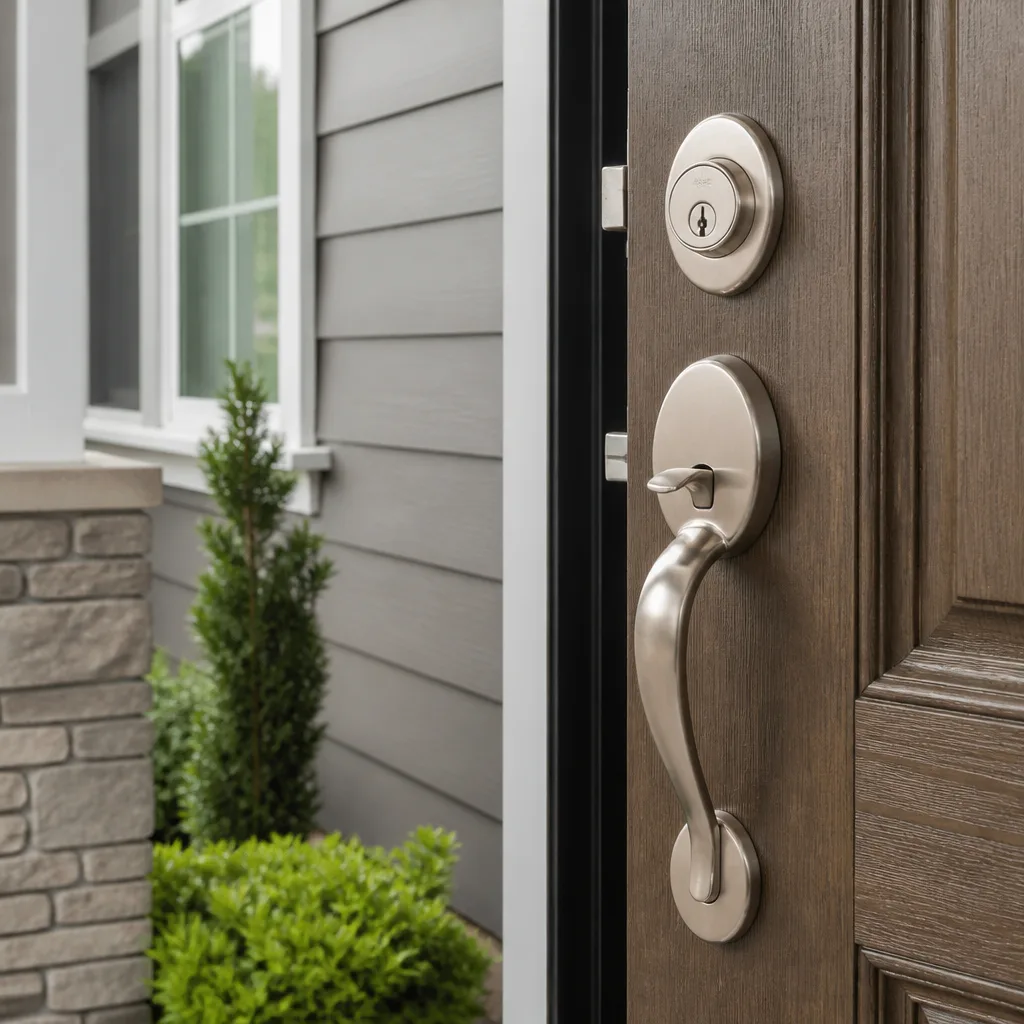 Kwikset
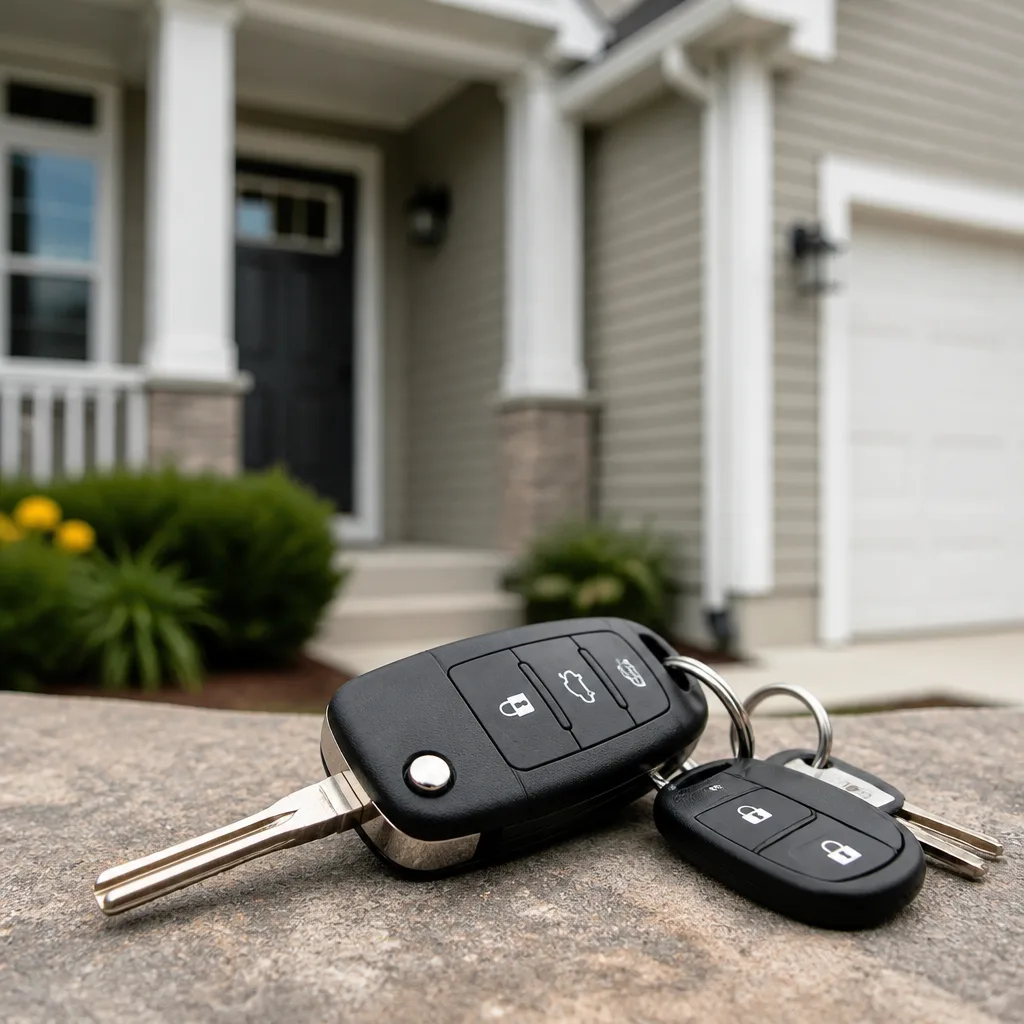 Car keys & fobs
Non-destructive entry first, always - and we re-key Schlage, Kwikset, and Baldwin locks on the spot while you watch
You get a price before we start. It does not change when we arrive. No surprises.
Get your free estimateHow to Hire a Locksmith Contractor in Lansing: A Step-by-Step Guide
Here’s a counterintuitive fact about the locksmith trade: the moment most people form their only opinion of a locksmith is the moment they’re at their most stressed. Locked out at midnight, keys locked in a running car on a January morning in Lansing, or staring at a broken deadbolt with a toddler locked inside. That’s when anyone with a van and a drill becomes “good enough.” But hiring a locksmith for planned work – rekeying a house you just bought in Old Town, upgrading to high-security hardware in East Lansing, or installing a restricted key system at a rental property near Frandor – is a completely different decision. It’s a contractor procurement process, not a rescue call. This guide walks through how to vet, document, and contract a locksmith in Lansing the same way you’d hire an electrician or plumber, with the hardware fluency to know exactly what you’re paying for. For more guides & resources on home security, see our blog.
Styles & brands we work with
Quick Answer
To hire a locksmith contractor in Lansing for planned work, verify credentials and hardware fluency first, get a written scope of work with itemized parts and model numbers, and confirm the quote before anyone is dispatched. Planned locksmith work should be treated as a contractor procurement decision – not a panic call – with specific attention to lock brand capability, written hardware specifications, and Michigan’s lack of a statewide licensing requirement. See our Locksmith Permits, Codes & Inspections in MI: What You Need to Know for details on local requirements.
Table of Contents
- Why Planned Locksmith Work Is Different from Emergency Calls
- Stage One: Credential Verification in a State Without Licensing
- Stage Two: Getting a Written Scope of Work You Can Actually Hold Someone To
- Stage Three: Hardware Specification Review – What a Real Quote Looks Like
- What a Written Lock-Hardware Specification Looks Like
- Why Hardware Fluency Matters: Schlage B60N vs. Mul-T-Lock MT5+
- Red Flags Specific to Planned (Non-Emergency) Locksmith Bids
- Common Mistakes to Avoid
- When to Call a Professional
- Frequently Asked Questions
- The Bottom Line
Before the step-by-step, let’s anchor this in Lansing reality. The city’s housing stock ranges from century-old homes in the Westside neighborhood with original mortise locks to 1990s suburban builds in Delta Township with builder-grade Kwikset hardware. Winter cold snaps stress cheap deadbolts. Student turnover near Michigan State means thousands of rekeys every August. A locksmith who understands this market doesn’t quote from a national price sheet – they quote from local hardware knowledge.
Why Planned Locksmith Work Is Different from Emergency Calls
When you call a locksmith at 2 a.m. because you’re locked out of your apartment near the Capitol building, your only criteria are speed and price. You accept whoever arrives. You pay whatever they ask. You’re not comparison shopping; you’re solving a crisis. That’s fine – it’s how emergency service works everywhere. But planned locksmith work has none of those constraints. You have time to ask questions, request documentation, compare approaches, and walk away from a bad bid. Treating a planned rekey or hardware upgrade like an emergency call is the single most common mistake Lansing homeowners make. It’s how people end up with a $40 Kwikset deadbolt where they paid $300 for a “high-security upgrade” that wasn’t.
Planned work includes rekeying after a purchase, adding deadbolts, converting to a keyless entry system, keying multiple locks to a single key, upgrading to pick-resistant cylinders, or setting up a restricted key system so no one can copy your keys without authorization. Each of these is a project with a clear scope, specified hardware, and a deliverable. Each one deserves the same due diligence as hiring a plumber to repipe a bathroom or an electrician to run a new circuit.
Stage One: Credential Verification in a State Without Licensing
Here’s the uncomfortable truth: Michigan has no statewide locksmith licensing requirement. Unlike electricians or plumbers, who must pass state exams and carry identifiable license numbers, anyone in Lansing can print “locksmith” on a business card and start drilling. This isn’t a hypothetical concern. Unlicensed handymen advertising locksmith services on marketplace apps are common across Ingham County, and the homeowner bears the full burden of vetting. For help preparing, read our Locksmith Emergency Preparedness Guide for Lansing Homes.
So what do you actually verify when there’s no license to check? Here’s the checklist we recommend for every planned hire:
- Business entity verification. Is this an actual registered business with a real Lansing-area address, or a phone number that routes to a call center in another state? Ask for the business address. Drive past it if it’s local. A legitimate contractor has a physical presence.
- Insurance verification. Locksmith work involves drilling, tapping, and modifying door hardware. A slip damages a door jamb or a lock body. Ask for a certificate of insurance naming the contractor and confirming general liability coverage. A professional sends this without hesitation. A scammer stalls.
- Brand capability evidence. This is where planned work diverges from emergency work. Ask what lock brands the contractor stocks and services. A credible answer names specific lines: Schlage, Kwikset, Yale for everyday hardware; Medeco, Mul-T-Lock, or Abloy for high-security work. “We work on all brands” is a non-answer. It usually means whoever shows up has a universal rekey kit and a prayer.
- Local references or visible work. Has this contractor rekeyed a building you’ve noticed? Do they have measurable history in Lansing neighborhoods – Old Town storefronts, East Lansing rental properties, residential work in Okemos? What’s their relationship to the community they serve?
At Squire Locksmith, we’ve built our name around the hardware spectrum. We work across eight brands – from consumer lines like Schlage and Kwikset to professional-grade Medeco, Mul-T-Lock, Abloy, and Sargent. That range is the credential. A contractor who can articulate the difference between a Kwikset SmartKey cylinder and a Medeco Biaxial has demonstrably invested in their craft. That’s the person you want touching your lock.
Stage Two: Getting a Written Scope of Work You Can Actually Hold Someone To
Here’s how a vague quote leaves you exposed. You call and say, “I need the locks rekeyed on my new house.” The contractor says, “We’ll get it done – $120.” You agree. They arrive, rekey two of three locks, tell you the third is “too old” and needs replacement at an additional $85, and leave. You’ve now paid $205 for a job that should have been quoted at $150 with a clear scope.
A written scope of work prevents this. It’s a document that lists:
- Every door included. Front, back, side, garage entry, storm door, interior door – enumerated by location, not “all the doors.”
- Every lock on each door. Deadbolt, entry knob, lever, mailbox, security gate. Each gets a line item.
- The specific work performed on each. “Rekey to new key, 5-pin Schlage SC1 cylinder” is a scope. “Fix lock” is not.
- Parts replaced, with model numbers. “Schlage B60N deadbolt, aged bronze” tells you exactly what’s going in. “New deadbolt” doesn’t.
- Total price, including labor and materials. One number. Not “plus parts” or “we’ll see.”
Without this document, a quote is a handshake, not a contract. And handshakes don’t hold up when a contractor substitutes a $15 cylinder for the $45 one you discussed. In the rekey context specifically, the smart framing is simple: rekey, don’t replace. When the hardware is sound, a rekey gives you new access control at a fraction of replacement cost. A written scope makes that value explicit.
We recommend getting this scope in writing before anyone is dispatched. For commercial or multi-lock projects, we survey first, then send a written scope with per-lock pricing. That’s the norm for planned work in Lansing. If a contractor balks at writing anything down, walk away.
Stage Three: Hardware Specification Review – What a Real Quote Looks Like
You’ve verified credentials. You have a written scope. Now the final stage: reviewing the hardware specification before you accept the quote. This is where most homeowners skip the details, and where the difference between a good contractor and a great one becomes visible.
A hardware specification answers three questions:
- What exact hardware is going into my door? Brand, model, finish, cylinder type. If the quote says “new deadbolt” without a model number, you’re about to pay for the cheapest deadbolt the contractor’s van carries.
- Is this hardware appropriate for my security needs? A $20 Kwikset deadbolt and a $120 Medeco Maxum are not interchangeable. One is a basic residential lock. The other is a drill-resistant, pick-resistant, UL-listed high-security device. Your quote should reflect the difference – and the contractor should explain why they’re specifying one over the other.
- Who can duplicate the keys? For standard Schlage and Kwikset keys, any hardware store can cut copies. For Medeco, Mul-T-Lock, and Abloy, keys are patent-protected and duplication requires a special authorization card. If you’re paying for high-security hardware, the spec should state that you’re getting restricted key control.
Here’s a real-world example from Lansing’s rental market. A landlord near Michigan State owns a four-unit building. Every August, three tenants move out and three move in. Standard practice: rekey each unit to a fresh key. That’s a bread-and-butter job for any competent locksmith. But a smarter spec uses a master key system so the landlord’s single key opens all four units, while each tenant’s key opens only their own. That requires a locksmith who understands master keying, not one who rekeys to whatever blank is on the pegboard. Squire Locksmith handles this kind of work regularly, and the spec difference is night and day.
What a Written Lock-Hardware Specification Looks Like
Let’s make this concrete. If you asked us to rekey and upgrade the front entry on a home in the Groesbeck neighborhood, your written specification would look something like this:
- Door: Front entry, wood, 1-3/4″ thick, single bore, existing deadbolt + knob.
- Deadbolt: Replace existing with Schlage B60N, single-cylinder, keyed outside / thumbturn inside, aged bronze finish to match existing door hardware.
- Knob/Lever: Existing Schlage entry knob retained; rekey to new 5-pin SC1 key, same finish.
- Keying: Front deadbolt and entry knob keyed alike to one new key. Two copies provided.
- Cylinder hardware: Standard Schlage SC1 5-pin cylinders, newly pinned. No reused pins.
- Rekey method: Existing hardware disassembled, pins replaced, reassembled, lubricated, tested.
- Warranty: 90-day parts and labor on all rekeyed and replaced hardware.
- Total price: $[exact amount], including labor and two key copies. No additional fees.
That’s a specification you can hold someone to. Compare it to “rekey front door – $85.” The latter leaves the door open (literally and figuratively) for whatever happens next. When you get a vague quote, ask for the specification. If the contractor can’t write one, they don’t actually plan their work – they improvise. Improvisation is fine in an emergency. It’s not fine in a planned upgrade.
Why Hardware Fluency Matters: Schlage B60N vs. Mul-T-Lock MT5+
Here’s the part most guides skip: the hardware itself. A locksmith who only stocks Schlage B60N deadbolts is not the same as a locksmith who can also source and program a Mul-T-Lock MT5+. Both are legitimate locksmiths. But their capability ceilings are completely different.
The Schlage B60N is the workhorse of American residential security. It’s a solid, ANSI Grade 1 deadbolt, widely available, serviceable by any competent locksmith, and priced in the $35 – $60 range at retail in Lansing. It’s a genuinely good lock. If you’re securing a 1970s ranch in South Lansing, a B60N is a honest choice.
The Mul-T-Lock MT5+ is a different species. It’s a high-security cylinder with a telescoping pin system that resists picking, bumping, and drilling. Its keys are patent-protected – you can’t walk into a hardware store and get a copy. Replacement keys go through an authorized dealer with a security card system. You’re not just buying a lock; you’re buying a key control ecosystem. Pricing runs $100 – $200 per cylinder installed, depending on configuration.
Why does this matter for hiring? Because a contractor who specifies an MT5+ when you asked for “a better lock” – and can explain why – has invested in education, tooling, and certification that a Schlage-only shop hasn’t. The reverse is also true: a contractor who tries to sell you an MT5+ for a rental unit with 12 doors is either upselling you into a system you don’t need or demonstrating they don’t understand cost-appropriate specification.
Hardware fluency is the tell. At Squire Locksmith, our work spans the full spectrum – from everyday Yale and Kwikset installs to Medeco, Mul-T-Lock, Abloy, and Sargent commercial-grade systems. When a contractor can name the cylinder type, keyway, and finish on the lock they’re specifying, that’s what capability sounds like. When they can’t, that’s what bluffing sounds like.
Red Flags Specific to Planned (Non-Emergency) Locksmith Bids
Emergency locksmith scams are well-documented: the $35 service call that turns into $600 for a lockout, the drill-first method that destroys a perfectly good lock. Our Locksmith Cost Breakdown: The Lansing Homeowner’s Reference for 2026 shows typical pricing to help you spot fraud. But planned bids have their own red flags, and they’re subtler. Here’s what to watch for in Lansing when you’re soliciting bids for rekeying, hardware upgrades, or access control:
- Unusually low hardware cost estimates. If a bid prices a “high-security deadbolt” at $40 installed, that’s not a deal – it’s a lie about what hardware is going in. Quality deadbolts cost what they cost. A contractor who quotes below material cost is planning to substitute something cheaper on arrival.
- No itemized parts list. “Complete rekey service – $150” without a breakdown of doors, cylinders, pins, and labor is a wide-open invitation to cut corners. Itemization is the difference between a quote and a guess.
- Reluctance to provide a written warranty. Every legitimate locksmith installing quality hardware stands behind it. If a contractor hedges on warranty, they’re hedging on their own work quality. Ask for warranty terms in writing – parts and labor, with a duration.
- Pressure to decide immediately. Planned work has no deadline. A contractor who says “the price is only good today” is running a sales play, not a professional practice. The only exception is emergency response – and that’s a different service entirely.
- Vague brand names. “We use top-quality locks” is a red flag. “We spec Schlage B60N deadbolts or Baldwin entries for that door style” is a credential. Specificity is the first casualty of incompetence.
- No physical address or local presence. A locksmith with a 517-area-code phone number that routes to an out-of-state call center is a national dispatch service, not a Lansing contractor. Ask where they’re actually based.
For emergency lockouts – when you’re stuck outside your home on a December night near REO Town – the calculus changes. You need someone now, and the full vetting process isn’t possible in that moment. That’s why emergency locksmith service deserves to be evaluated on a different timeline: know who you’d call before you need to call them. Have a number saved. Check their credentials when you’re not standing in the cold.
Common Mistakes to Avoid
Lansing homeowners make the same mistakes with planned locksmith work, year after year. We’ve seen them all, from student rentals near Michigan State to century homes in the Westside. Here are the most common – and how to avoid each:
- Conflating emergency response with contractor hiring. The “whoever can come fastest” mindset from a lockout carries over into planned projects, where speed should be last on the priority list. For planned work, capability and documentation matter more than response time.
- Accepting a verbal quote. If it’s not written down, it didn’t happen. Verbal quotes are how “rekey the whole house for $120” becomes “that’ll be $240, the back door needed work.”
- Skipping the hardware conversation entirely. “Just put in a lock” is how you end up with a Kwikset when you thought you were getting a Medeco. Ask for brand, model, and finish before the work begins.
- Assuming Michigan licensing exists. It doesn’t. And that doesn’t mean every unlicensed locksmith in Lansing is a scammer – many excellent locksmiths operate without a formal state license because none exists. It means the burden of verification is on you, every time.
- Not asking about key duplication control. If you’re paying for high-security hardware and the contractor hands you a key that any hardware store can copy for $3, you didn’t get what you paid for. Ask about the key control system before you accept the hardware.
- Overlooking rekeying as an option. New homeowners often replace every lock out of caution, when rekeying would deliver the same security outcome for a fraction of the cost. Rekeying isn’t a compromise – it’s the smarter spec when hardware is sound. Explore rekeying services in the Lansing area before you buy eight new deadbolts.
- Not verifying insurance before work starts. A slip with a drill can damage a door, jamb, or lock body. A contractor without liability insurance is a liability to you.
When to Call a Professional
If you’ve read this far, you know the answer: for any project involving keys, cylinders, door hardware, or access control, a trained professional is the right choice. Locks endure daily mechanical stress – especially in Michigan’s freeze-thaw cycle, where temperature swings from -10°F to 40°F in a single February week cause metal components to expand and contract. A lock that’s sticky in January may have internal pin wear that a visual inspection misses. A professional locksmith diagnoses and corrects this. More practically, any time you’re modifying a lock cylinder or keyway, you’re dealing with precision components where a small mistake means a lock that either jams or fails to secure. Planned projects – rekeying a new home, upgrading to high-security hardware, keying multiple locks alike, or replacing automotive keys – all warrant a professional with demonstrable hardware knowledge.
Squire Locksmith offers free estimates in Lansing – call (866) 361-1189 to talk through your project. We’ll tell you if rekeying makes more sense than replacement, what hardware fits your door and your budget, and what the full scope will cost before anyone is dispatched.
Frequently Asked Questions
For planned work – rekeying, hardware replacement, or new deadbolt installation – Lansing rates typically fall between $20 and $35 per cylinder for rekeying, $35 – $90 per deadbolt for standard hardware (Kwikset, Schlage), and $100 – $200 per cylinder for high-security systems like Medeco or Mul-T-Lock, plus labor. Every project is different. Call (866) 361-1189 for a written, itemized estimate before anyone is dispatched.
For planned work, yes – and it should be in writing. A scope of work with itemized doors, locks, parts, and labor is your protection against surprise upcharges. Emergency calls have different dynamics because the work can’t be scoped until a locksmith sees the lock. For planned projects, demand a written quote and hold the contractor to it. We quote full pricing on the phone before dispatching anyone, and the price we quote is the price on your invoice.
No. Michigan has no statewide locksmith licensing requirement, which means anyone can advertise locksmith services without proving competency. This puts the vetting burden on the homeowner: verify business registration, insurance, hardware brand knowledge, and local references yourself. Specificity about lock brands and a written warranty are the practical substitutes for a missing state license.
If the existing hardware is in good condition, rekeying is almost always the better value – it delivers new key control without replacing functional locks. Replacement makes sense when hardware is worn, damaged, or when you want to upgrade security levels (e.g., from standard cylinders to high-security Medeco or Mul-T-Lock). A competent locksmith can assess your specific hardware and recommend the right path for your doors.
Yes. Automotive key replacement is a core service – we handle car key replacement directly, including fob programming, without requiring a dealership detour. If you’ve lost your only car key or need a spare, call (866) 361-1189 with your vehicle’s year, make, and model, and we’ll give you a specific quote. See our dedicated page on car key replacement for details.
Ask for a physical address and verify it matches the phone number’s area code and the business name they’re using. National dispatch services often route 517-area-code numbers to out-of-state call centers and send contractors from an hour away. A truly local Lansing locksmith has a verifiable Ingham County address, can reference specific neighborhoods, and services the locks they install without referring you to someone else.
The Bottom Line
Hiring a locksmith in Lansing for planned work is a procurement decision, not a rescue call. Verify credentials in a state with no licensing requirement. Demand a written scope of work with itemized hardware and model numbers. Check the specification before accepting any quote – the difference between a Schlage B60N and a Mul-T-Lock MT5+ is the difference between a standard deadbolt and a genuine security system, and a competent contractor can explain that difference in plain language. Watch for the red flags: vague brand claims, missing parts lists, no written warranty. And when in doubt, call a locksmith with demonstrable hardware fluency across the full spectrum – from consumer-grade Kwikset to high-security Medeco and Abloy. Squire Locksmith serves Lansing, Okemos, and the surrounding Ingham County area with free estimates and written scopes. Call (866) 361-1189 to start the conversation.
Written by the team at Squire Locksmith, serving Lansing and the surrounding Ingham County area since 2015. Return to the Squire Locksmith home page.