Last updated October 31, 2026
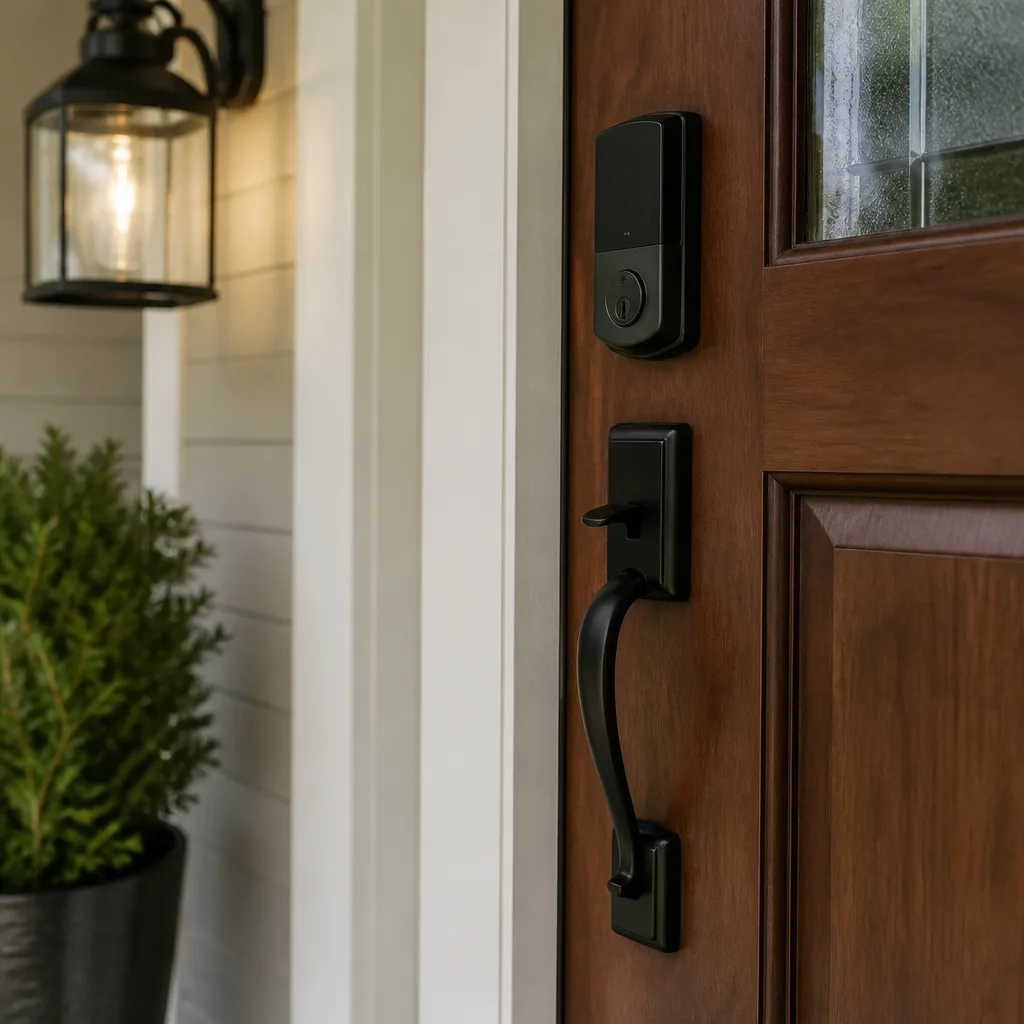 Smart locks
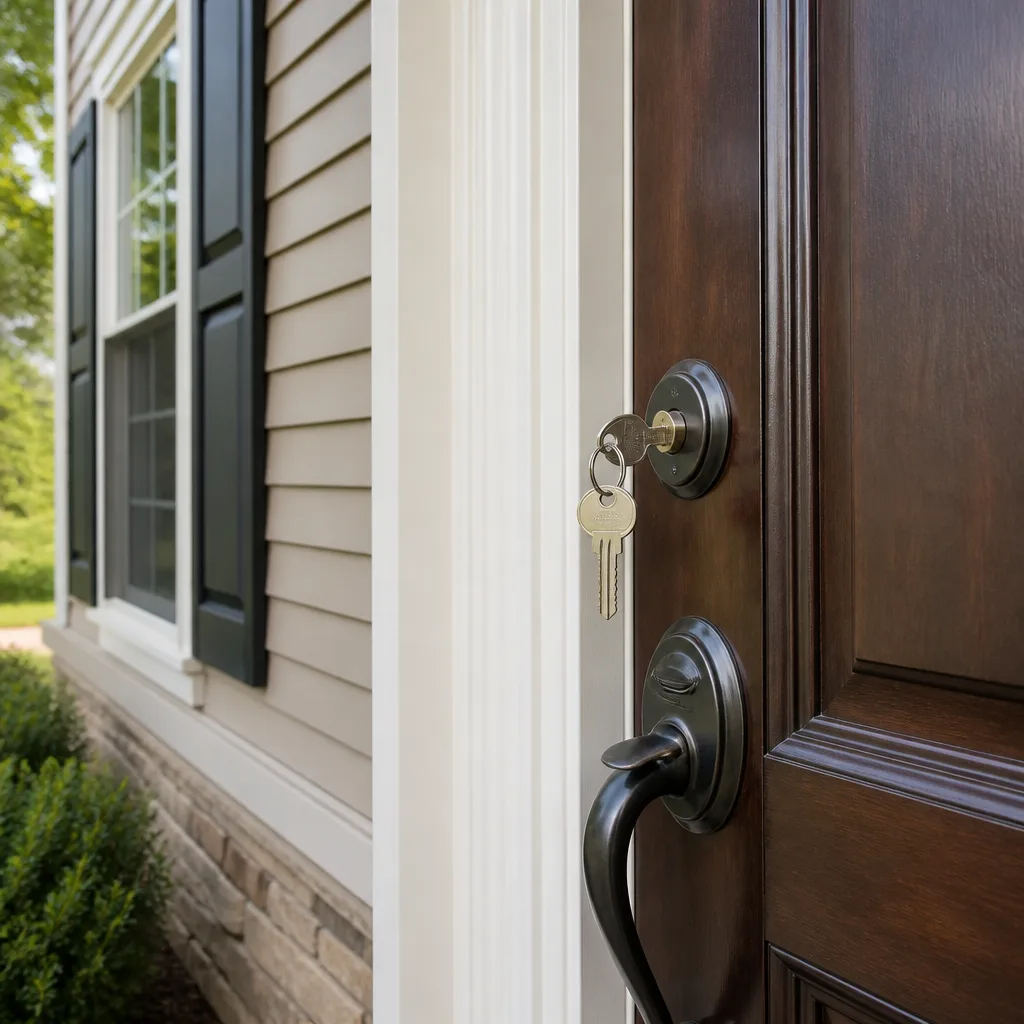 House lockouts
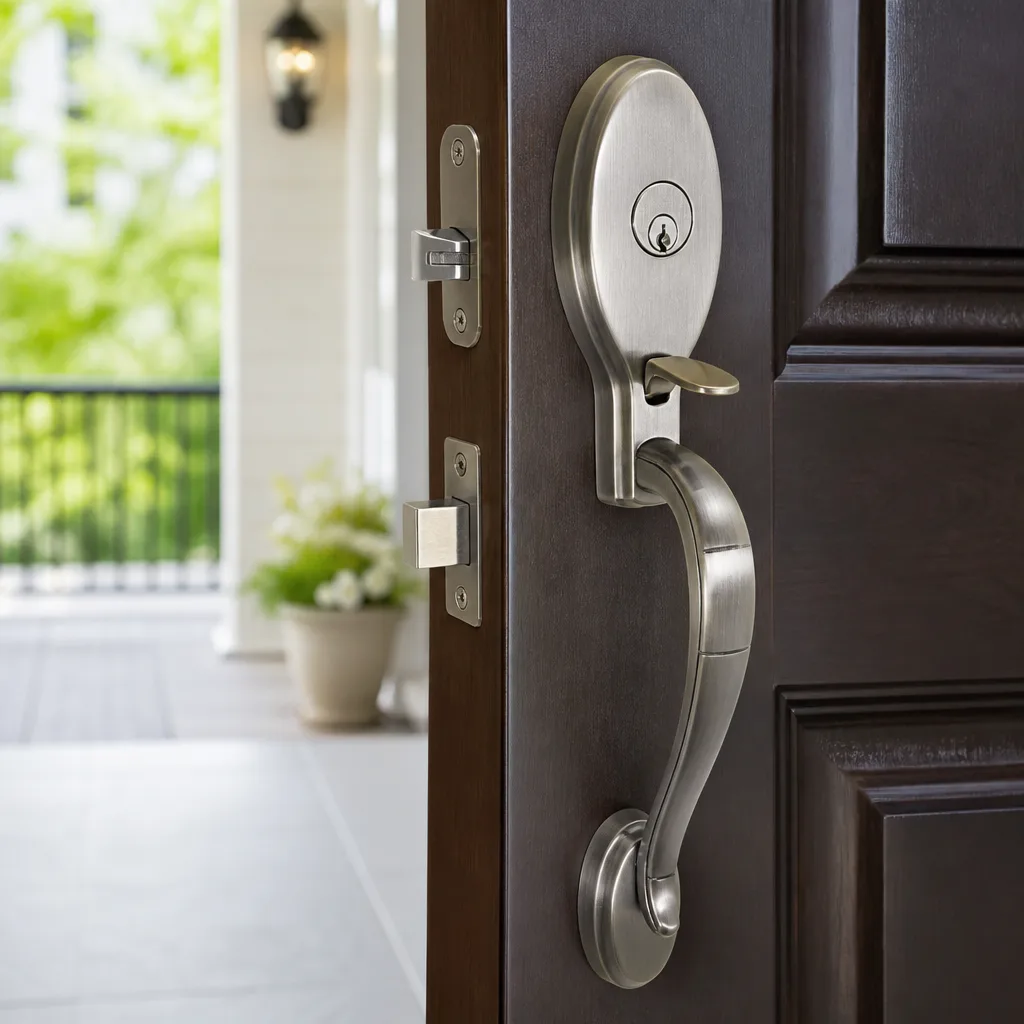 Re-keying
 Deadbolt upgrades
 Schlage
 Kwikset
 Car keys & fobs
Non-destructive entry first, always - and we re-key Schlage, Kwikset, and Baldwin locks on the spot while you watch
You get a price before we start. It does not change when we arrive. No surprises.
Get your free estimateThe Complete Guide to Locksmith in Lansing
Most people call a locksmith expecting one skill set. What they get depends entirely on who answers the phone. A technician who spends his days cutting laser-tracked transponder keys for late-model Fords may have never opened a Medeco biaxial cylinder in his life. The credential gap between automotive key programming and high-security cylinder work is wider than most Lansing homeowners would ever guess. This guide maps the actual disciplines inside the trade, the hardware that shows up on Lansing doorways, and how to match your specific problem to the right technician the first time.
Styles & brands we work with
Quick Answer
A locksmith in Lansing handles three almost entirely different jobs: automotive key programming, residential lock work and rekeying, and high-security commercial hardware. The right technician for a 2019 Chevy key fob is rarely the right technician for a Medeco deadbolt on a Michigan Avenue office door. Before you call, identify which of those three worlds your problem lives in, then ask the locksmith directly whether that specific job is part of their daily work. For help with that conversation, see our How to Hire a Locksmith Contractor in Lansing: A Step-by-Step Guide.
Table of Contents
- The Three Trades Inside One Word
- What Lansing Housing Stock Actually Looks Like
- The Lock Brands That Matter in Lansing
- Lockout vs. Rekey vs. Hardware Upgrade: A Decision Matrix
- How to Check a Lansing Locksmith’s Credentials
- Bait-and-Switch Operators: What They Look Like in Lansing
- Automotive Locksmith Work: Why It’s a Different Trade
- High-Security Hardware: Medeco, Mul-T-Lock, and Abloy in Lansing
- Common Mistakes to Avoid
- When to Call a Professional
- Frequently Asked Questions
- The Bottom Line
The Three Trades Inside One Word
Locksmithing splits into three distinct practice areas. They share a name and not much else.
Automotive locksmithing is about transponder chips, key fob programming, laser-cut keyways, and onboard diagnostic protocols. The dominant tool is not a pick set. It is a programmer plugged into the vehicle’s OBD-II port. Every manufacturer runs its own immobilizer system, which means a Chevy key and a Honda key require entirely different tools and training. An automotive technician tracks model-year changes the way an auto mechanic does, because a 2015 key programming procedure may not work on a 2021 of the same nameplate.
Residential and commercial lock work is mechanical. Schlage, Kwikset, Yale, Baldwin: these are pin tumbler locks, and the skill is in cylinder servicing, rekeying, master key systems, and door alignment. The technician reads keyways and pin depths, not OBD codes. This is the trade that handles lockouts, rekeys after a tenant leaves, and deadbolt replacements on a Lansing bungalow.
High-security locksmithing is a subset of mechanical work with its own credentialing chain. Medeco, Mul-T-Lock, and Abloy cylinders use restricted keyways and patented key control. You cannot get keys duplicated at a hardware store because no hardware store has the blanks. Servicing these locks often requires authorization from the lock’s owner and sometimes factory-level training. A technician who can rekey a Kwikset SmartKey in ten minutes may not be authorized to touch a Mul-T-Lock integrator cylinder at all.
The practical takeaway: when you call for service in Lansing, the technician who shows up is a specialist in one of these lanes. Asking the right question up front saves you the cost of a wasted truck roll.
What Lansing Housing Stock Actually Looks Like
Lansing’s lock hardware varies by neighborhood, and the variation is predictable. We have worked doorways across the city, and the patterns are consistent.
East Lansing bungalows built before 1960 often still carry original Schlage B-series deadbolts or even older mortise locks. Some have been retrofit with cheap Kwikset knobs. The strike plates are frequently loose, the door frames have settled, and the latch no longer lines up with the strike. On those doors, a lockout is one symptom of a larger alignment problem. A technician who only swaps the lock often leaves the underlying issue in place, and the deadbolt fails again within months.
Okemos and Haslett developments from the 1990s and 2000s lean heavily on builder-grade Kwikset hardware, with increasing numbers of SmartKey cylinders. SmartKey is a clever system, but its rekey mechanism wears under frequent use. We have seen SmartKey cylinders in Lansing apartments that stop accepting the key entirely when the internal wafers strip. The fix is not another Kwikset. It is a cylinder upgrade, which brings us to brands.
Delta Township and parts of the west side have a mix: older construction alongside newer strip-mall commercial spaces on Saginaw Highway that use commercial-grade levers and panic bars. That is where Sargent and other full-commercial hardware begins to appear, and where a residential-only locksmith runs out of depth.
The same street in Lansing can have a 1940s mortise lock on one door and a 2022 smart deadbolt two houses down. Matching the technician to the door matters.
The Lock Brands That Matter in Lansing
Not every brand belongs in the same service conversation. Here is what we actually see on Lansing doors and what each brand means for a service call.
- Schlage B-series: The workhorse of East Lansing bungalows and mid-century homes. Solid brass cylinders, repairable, rekeyable, and worth keeping. If you own a Schlage B, rekey it. Do not replace it with something flimsier.
- Kwikset SmartKey: Common in Okemos apartment complexes and newer builds. Convenient for landlords. The rekey mechanism is a long-term wear point. We replace more SmartKey cylinders than any other residential brand in Lansing.
- Yale: Shows up on higher-end residential doors, often as a handled deadbolt or entry set. Precision-tolerance parts that need a careful hand. Yale hardware rewards a technician who takes time.
- Baldwin: The premium residential name. Solid brass, heavy, expensive. Customers who have invested in Baldwin hardware want it serviced, not swapped for a generic part. That is a different conversation.
- Medeco: High-security, restricted key blanks, biaxial pins. You find Medeco on commercial doors, some campus facilities, and a handful of security-conscious residences. Key duplication requires an authorization card. Servicing requires patience and training.
- Mul-T-Lock: Telescoping pin-in-pin cylinders originally designed for harsh environments and high manipulation resistance. Present in Lansing commercial properties and some multi-unit residential buildings.
- Abloy: Disc detainer cylinders, entirely different internal mechanism from pin tumblers. Very long service life. Commercial and institutional usage. Not something a generalist sees often in Lansing, which makes the specialists who do see it more valuable.
The brand range matters because it reflects the reality of the city. From Schlage to Medeco, Lansing doorways span the whole spectrum. A locksmith who only knows one end of that range has to decline work. A locksmith who covers all eight brands can be the single call.
Lockout vs. Rekey vs. Hardware Upgrade: A Decision Matrix
Three common situations. Three different right answers. Here is how to tell them apart in Lansing.
1. You are locked out right now
You need a technician who can open the door without destroying the hardware. Residential lockouts on a Schlage or Kwikset deadbolt are usually straightforward for someone trained in non-destructive entry. If you drive a newer vehicle, you need an automotive specialist with the right programmer, because slim-jim techniques do not work on modern anti-theft systems. Match the lockout to the technician’s lane.
2. You have possession of the property but not full control of the keys
Just moved into a Lansing house, ended a lease, fired a contractor, or broke up with someone who kept a copy. This is a rekey situation. The hardware is fine. The key control is the issue. Rekeying swaps the internal pins so old keys stop working, and it costs a fraction of replacing every lock. Rekey, don’t replace. The trusted hardware stays. The access changes. That is the smart security upgrade.
3. The hardware itself is failing or too weak for the risk
If the deadbolt is grinding, the SmartKey cylinder has stripped, the strike plate pulls out of the frame, or you are protecting a property that a standard Kwikset cannot credibly guard, you need a hardware upgrade. This is where brand knowledge matters: a Medeco or Mul-T-Lock upgrade on a commercial entry is a security decision, not a hardware-store run. High-security hardware, handled right.
Decision matrix summary: locked out equals emergency entry. Keys unaccounted for equals rekey. Hardware failing or insufficient equals replacement with the right grade of lock.
How to Check a Lansing Locksmith’s Credentials
A legitimate credential check in Lansing does not take long. It just takes asking the right questions before the technician arrives.
- Ask about the specific job, not locksmithing generally. “Do you program transponder keys for a 2018 Ford?” is a far better question than “Are you licensed?” A generalist will say yes to the second and hedge on the first. The hedging is the signal.
- Ask which brands the technician services regularly. A professional answer names specific brands: Schlage, Kwikset, Baldwin, Medeco, Mul-T-Lock. A vague answer (“all of them”) is meaningless. There is no all-of-them. There are distributors, training, and authorized service chains for the restricted lines.
- Ask whether the technician carries a scope-of-work form or written estimate. Professional locksmiths in Lansing quote on the phone and back it with a written line-item estimate on arrival before work begins. If the price on arrival differs from the quote and the technician starts work anyway, that is a red flag.
- Look for sustained local presence. A real Lansing operation has a local footprint, a recognizable name, and the capacity to explain the city’s hardware mix without hesitating. A fly-by-night operator exists online for two weeks and has no stake in the market.
- Verify insurance and bonding before the call if the job is commercial. Commercial property managers in Lansing routinely require proof of liability coverage before someone touches a Medeco or Sargent installation. Ask for it. A professional expects the question.
None of this is about distrusting the entire trade. It is about recognizing that the trade has two separate economies: one built on repeat business and reputation, and one built on high-volume emergency calls with disposable branding.
Bait-and-Switch Operators: What They Look Like in Lansing
The worst lockout stories we hear from Lansing customers follow the same pattern, and it is worth knowing the script.
The bait starts with a low posted number. A very low number. The customer calls from a driveway in East Lansing at night, and the dispatcher quotes something small. When the technician arrives, the real estimate appears: drilling fees, cylinder replacement fees, after-hours trip charges, and a “high-security lock” upcharge. The final invoice lands at three to five times the quoted number, and the customer pays because they are locked out, cold, and tired.
This model is not limited to Lansing, but the geography makes it work: thousands of rental doors, a student population that locks itself out at odd hours, and a steady stream of first-time home buyers unfamiliar with the trade. The deterrent is the same as the credential check: get the full price on the phone before anyone is dispatched, and confirm that the phone price is the invoice price. At Squire Locksmith, the quote given on the phone is the price on the invoice. No arrival surprises, no invented security upgrades. If you call us and we quote a rekey in Lansing, that is what you pay. If the technician cannot fix the problem at the quoted price, we stop and call you before doing more work.
One more tell: bait-and-switch operators often refuse to name the hardware brands they stock, because naming brands is trackable and specific. A professional can tell you immediately: Schlage, Kwikset, Medeco, Yale, Baldwin, Mul-T-Lock. If you hear “whatever’s in the van,” hang up and call someone else.
Automotive Locksmith Work: Why It’s a Different Trade
We mentioned this at the top, and it deserves its own section because vehicle lockouts are one of the most common reasons Lansing residents suddenly need a locksmith.
Modern automotive key work starts with the transponder era, roughly 1998 onward, when manufacturers embedded immobilizer chips in key heads. Since then, the technology has fragmented. Ford uses one system. GM uses another. Honda, Toyota, Chrysler, Hyundai: each has its own. Laser-cut keys introduced side-milled channels. Proximity fobs introduced rolling codes and push-button starts. The technician needs a programmer, the right software subscription for the vehicle’s make and model year, and the key blanks or fob housings to match.
That is a different tool shelf from a residential locksmith’s. A technician who rekeys Schlage deadbolts all day does not carry an OBD-II programmer. And an automotive specialist may not carry pin kits for Medeco biaxial cylinders. Both are real locksmiths. Neither is a drop-in replacement for the other.
For Lansing drivers, the practical rule is simple: if the problem involves your vehicle key, fob, or ignition, say so immediately when you call. A proper automotive locksmith in Lansing does car key replacement directly, often at your location. Some keys still require a dealership visit if the vehicle demands a factory-only procedure, but a skilled automotive technician can handle most programmed keys and fobs on site. That saves you the tow, the dealership service counter, and the dealership price. Our Car Key Replacement in Okemos guide covers the specifics for that side of town.
High-Security Hardware: Medeco, Mul-T-Lock, and Abloy in Lansing
Not every Lansing property needs high-security hardware. The ones that do generally know it: commercial offices on Michigan Avenue, institutional facilities, properties with expensive inventory, and a small number of residential customers who have already decided that a standard deadbolt is not enough.
What makes these locks different is key control. With a standard Schlage or Kwikset, anyone holding the key can walk into a hardware store and duplicate it. With Medeco, Mul-T-Lock, and Abloy, the key blanks are patented and restricted. Duplicates require authorization through the locksmith or distributor. You know exactly how many keys exist because the system is designed to prevent unauthorized copies.
Servicing these systems requires more than a pin kit. Medeco uses angled cuts and rotating pins, which takes specialized training to rekey correctly. Mul-T-Lock uses a telescoping pin-in-pin design that multiplies the picking resistance. Abloy runs disc detainers instead of pin tumblers at all, a fundamentally different internal mechanism. A technician who services these lines has invested in the training and carries the specific parts. That is not every locksmith in Lansing.
If your property currently runs one of these systems, ask your locksmith directly about experience with that brand before scheduling service. If you are considering an upgrade to high-security hardware, a technician with genuine fluency across multiple restricted lines can help you weigh the options without brand bias. That is what high-security hardware, handled right actually looks like.
Common Mistakes to Avoid
- Calling the first number without asking what the technician actually works on. The cheapest listing in Lansing is often an automotive-only operation or a call center that dispatches to whoever is nearby. Your rekey may get bounced or botched. Ask the lane question first.
- Replacing locks when a rekey would solve the problem. Landlords in East Lansing and Okemos do this constantly. They rip out perfectly good Schlage deadbolts and install builder-grade Kwikset because they did not know rekeying existed. Rekey, don’t replace, and keep the better hardware.
- Buying the lock first and calling a technician second. We see homeowners in Lansing show up with a big-box deadbolt and then call us to install it, not realizing the bolt throw does not match their door prep. Buying the hardware and the service from the same professional prevents that waste.
- Ignoring door alignment problems. A deadbolt that scrapes the strike plate or will not throw fully is a frame problem, not always a lock problem. Replacing the lock without adjusting the frame leaves the same failure in place. On older East Lansing homes, this is common.
- Assuming every key can be duplicated anywhere. Medeco, Mul-T-Lock, and Abloy keys are restricted. Showing up at a hardware store with one will not work. You need the original locksmith or an authorized dealer, and you need the key control authorization.
- Waiting until a lockout to figure out who to call. The worst time to evaluate a locksmith is from a cold driveway at 11 p.m. Having a name and number saved before anything goes wrong changes the experience entirely. That is the single most useful preparation a Lansing resident can make.
When to Call a Professional
Call a professional when you are locked out, when keys are unaccounted for, when the hardware is failing, and when the security requirement exceeds what a standard residential lock can deliver. Call before you drill a lock yourself, because a drill destroys the cylinder and often raises the repair cost. Call before you attempt a car key workaround with aftermarket parts, because modern immobilizers reject unprogrammed keys and leave you stranded. And call before you let an uncertified handyman touch a commercial access system: the liability alone outweighs any savings.
Squire Locksmith home covers the full range of these calls in Lansing. We work across eight major lock brands, from consumer-grade Schlage and Kwikset through professional lines like Medeco, Mul-T-Lock, Abloy, and Sargent. For emergency response, see our Emergency Locksmith in Okemos page for how we handle time-sensitive calls on the east side. For rekeying guidance and pricing, see Rekey Locks in Okemos. Squire Locksmith offers free estimates in Lansing. Call (866) 361-1189 and describe your problem. We will tell you which lane it sits in and whether we are the right call for it.
Frequently Asked Questions
Residential rekeying on a standard Schlage or Kwikset deadbolt typically runs from $25 to $35 per cylinder for labor, plus the trip charge, which in Lansing is usually $65 to $90 depending on your location and time of day. Full lockout service on a standard residential door typically lands between $120 and $200 if no hardware is damaged. Automotive key programming runs much higher because of the equipment and software involved, often $180 to $350 for a programmed key or fob, and more for proximity keys on newer vehicles. High-security service on Medeco or Mul-T-Lock systems requires a per-job quote because each system has its own parts and authorization requirements. Call (866) 361-1189 for an exact estimate based on your address and the lock type.
Yes. The estimate we give you on the phone is the price on the invoice. If the technician arrives in Lansing and finds the job is materially different from what was described, we stop and call you with a revised number before doing any additional work. You approve the new figure first. There is no hidden arrival fee, no invented security upgrade fee, and no after-hours markup that was not mentioned on the call.
Emergency response times in Lansing depend on where you are and what time it is. Most residential locations within the core Lansing and East Lansing area can be reached in 45 to 75 minutes. Okemos, Haslett, and Delta Township may add 10 to 20 minutes. The best way to get an accurate arrival window is to call (866) 361-1189 with your cross-streets; we will give you a real timeframe, not a vague promise.
Ask what lock brands they service on a regular basis, whether they program automotive keys, and whether they can provide proof of insurance for commercial jobs. A professional answers those questions directly, with brand names and clear yes or no answers. A generalist hedges. The brand question alone filters most bait-and-switch operators out of the conversation.
Yes, for most residential and some older vehicles, a locksmith can originate a key by disassembling the lock cylinder and reading the pin depths. This is standard practice for Schlage and Kwikset hardware. For Medeco, Mul-T-Lock, and Abloy systems, key origination requires proof of ownership and often authorization from the lock system’s administrator. For newer vehicles, the key must be programmed to the immobilizer, not merely cut, which is where automotive programming equipment comes in.
Rekey, unless the hardware is failing. Rekeying is faster, costs less than full replacement, and keeps the higher-quality original hardware on the door. If the previous owner installed good Schlage or Baldwin hardware, rekeying preserves that investment while eliminating every old key. If the hardware is builder-grade Kwikset that has seen better days, replacement might be the better call, and a technician can help you decide on site. Call (866) 361-1189 for a free estimate either way.
The Bottom Line
Locksmithing in Lansing is three trades under one name: automotive, residential and commercial mechanical, and high-security. Your job sits in one of those lanes, and the right technician is the one who lives there day to day. Identify the lane before you call. Ask the brand and credential questions that filter out the operators who cannot answer them. Rekey when the keys are unaccounted for, replace when the hardware fails, and call a specialist when the vehicle key or the restricted high-security system is involved. From Schlage to Medeco, Lansing doorways demand a technician who actually knows the lock.
Written by the team at Squire Locksmith, serving Lansing since 2015.